All guests attending the Kate Spade conference may have received a "warm reminder" before they arrived in New York: please do not upload full-body looks from the latest 2017 spring and summer series to social platforms.
The American fashion brand explained that the press conference was not originally public, and most of the invitees were selected media with long-term relationships. Kate Spade currently hopes that the focus of the outside world will fall on the 2016 autumn and winter series sold in the store, in order to consolidate the hard-won turnaround not long ago. At the same time, we will try to maintain the mystery of the spring and summer series as much as possible before the new products are launched on February 1 next year.
A comment in "Women's Wear Daily" expressed our doubts: "Since you have raised a monster, don't expect to be able to tame it." ”Kate Spade had a lot of exposure to social media in the early years. Since Craig Leavitt was appointed to take charge of the company in 2008, social platforms have gradually become a major battlefield for marketing. A ranking released by the research organization L2 in 2011 showed that Kate Spade is the second most active brand on social platforms after Burberry.
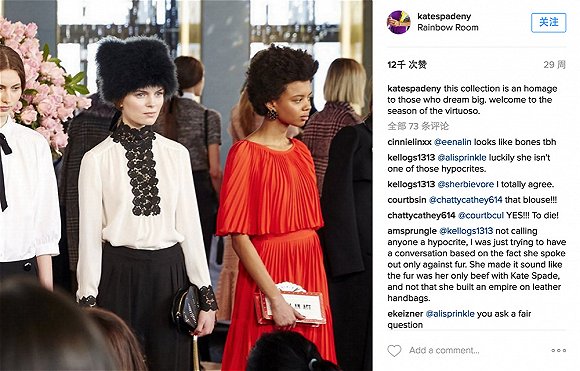
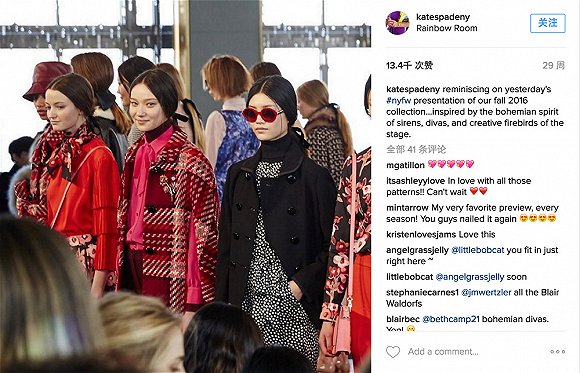
“We hope to reach more people. ”After Craig Leavitt issued the order, the company invested capital and corresponding manpower by comparing user data on platforms such as Facebook and Twitter. So far, Kate Spade's Instagram account has attracted 1.8 million fans and 908,000 followers on Twitter.
Kate Spade is not the only fashion company taking action. Their use of social media has gradually extended from brand concept transmission and new product promotion to series release. According to data from digital marketing consultancy Greenlight, a total of 5,602 Instagram posts used #LFW2016 (London Fashion Week 2016) as the tag in February this year.
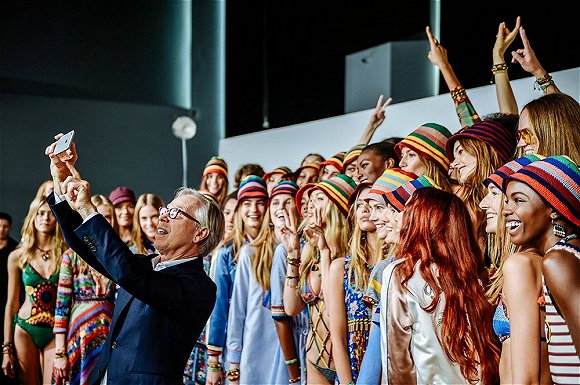
When Burberry launched the 2012 spring and summer women's wear series, it launched Tweetwalk in conjunction with Twitter, allowing netizens to watch the complete series online and broadcast it on Facebook; Tommy Hilfiger began to open a special shooting area for Instagram celebrities as early as 2014, relying on the latter's strong fan base to expand its momentum; Topshop invited the famous photographer Nick Knight to shoot the show and backstage, and posted it on Instagram in real time.
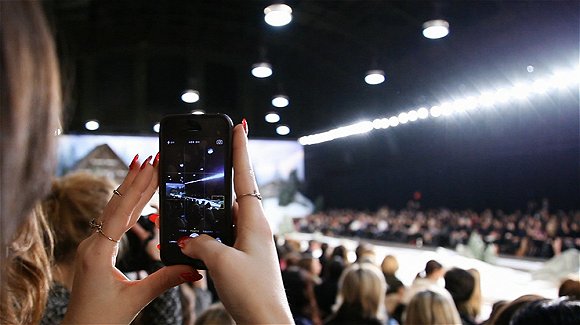
“Brands that fail to lead on social platforms will soon be forgotten. ”But Craig Leavitt and most fashion companies that focus on online operations may have overlooked another point. When social media becomes a daily habit of the public, the situation may not be so easy to control. Regardless of whether the communication content on the platform is consistent with the brand's internal strategy, the scenes that are common in the eyes of practitioners can sometimes even be confusing to laypeople.
Last year, French designer brand Jacquemus proposed an Instagram ban. At about the same time, MSGM designer Massimo Giorgetti also made the same request to show guests. “Put away your phone and watch the show. ” read the invitation letter. He found that when photos of model selection, fittings, catwalks, etc. were uploaded to social platforms, consumers would be confused. Without understanding how the fashion industry actually works, it’s easy for them to confuse runway styles with what’s on the shelves.
On the other hand, he believes that the invited buyers and media "should watch the show with their eyes rather than the screen." In addition, Massimo Giorgetti also deliberately postponed the release of series of catwalk photos until spring and summer, before the clothes are put on the shelves. If not, the public will soon become disgusted with the new series after being "bombed" by social media, celebrity red carpets, advertising blockbusters, etc.
At the same time, many plagiarism forces have quietly emerged through the platform. Through social media, they can more easily access collection information and make a fortune before the fashion hits the market. In addition, consumers no longer have the patience to tolerate the six-month delay between fashion releases and merchants. "Sell now and show"—the latest collections are put on sale immediately after the show, which has become the latest choice of many fashion brands. Fortunately, current consumer surveys show that this model is supported by more than 80% of the respondents, who believe that "it is more reasonable in the current uncertain climate, and they want to wear new models immediately."