
In the German suspense film "Perfume: The Story of a Murderer", the protagonist Grenouille was born in Paris, where perfume culture is prevalent. God gave him a nose that can distinguish tens of thousands of smells, and also gave him the shackles of life - he was addicted to fragrance, going to extremes, and eventually killed many girls in the hope of mixing up the perfume of his dreams.
Movies are art, amplifying a person's paranoia about perfume and becoming a motive for crime. But who can say that they don’t like perfume? In the airport duty-free shop, the perfume area is always full of products and always crowded with customers.
The most famous place for perfume making is the French town of Grasse, with its endless fields of roses and jasmine. In addition to producing raw materials, it is also one of the centers of global perfume R&D and trade. Louis Vuitton re-launched perfume after 70 years and also built a factory in Grasse. However, as the labor and planting costs in Grasse increase, the proportion of perfume raw materials supplied from outside France is also gradually increasing - the most obvious example is that the "Damascus Rose" grown in Turkey and Bulgaria has taken away a lot of business from Grasse's "Provence Rose".
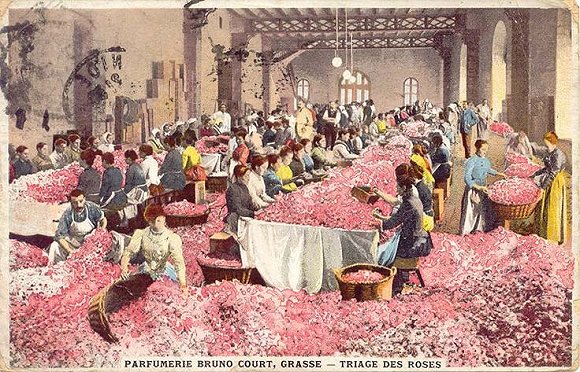
Perfume first appeared in Mesopotamia. After being introduced to Europe, it was first used by the first and second generations of the rich to cover their body odor. But now, the mission of perfume is not only to freshen body odor, it is also a tool for luxury goods companies to expand their market size - buy a bag worth tens of thousands, or a bottle of perfume worth hundreds of dollars, no matter which way, you own the brand. Among the brands we are familiar with, Dior was the first to discover this commercial ingenuity. In 1947, when Christian Dior established his own fashion house of the same name, he launched a perfume line in the same year and launched his first perfume, Miss Dior.
In fact, for luxury goods groups, fragrance contributes significantly to overall revenue. Let's take a look at the 2016 semi-annual report released by LVMH in July to get a more intuitive feeling - as of June 30, profits from perfumes and cosmetics accounted for 9.2% of the overall real estate profits, including fashion and leather goods, spirits and other categories. At first glance, it may not seem like much, but while profits from fashion and leather goods fell by 1.8%, profits from perfumes and cosmetics increased by 9.2%.
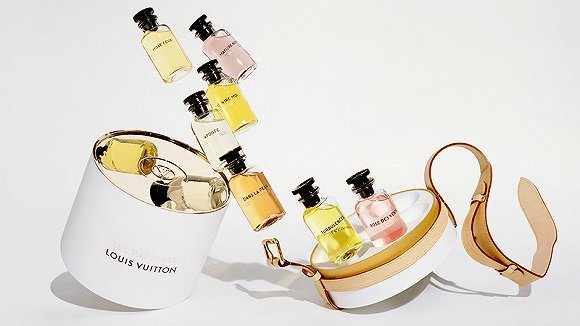
Among them, Dior was singled out for its continued outstanding sales. Dior now has the most perfume products among luxury brands, with a total of 12 series. Each series has subdivided flavors and capacities, and they are densely packed on the shelves of duty-free shops and specialty stores.
After discovering the cash cow power of perfume, many high-end fashion brands also jumped on the bandwagon of selling perfume. However, unlike Dior or Guerlain's own research and development approach, the more common method of operation is to outsource perfume development and sales to specialized cosmetics companies. Coty and Puig are the world's largest perfume manufacturers respectively. The former helps create perfumes for Calvin Klein, Jil Sander and Balenciaga; while the perfumes produced by the latter may not be very popular, such as COMME des GARÇONS Parfum, Nina Ricci and Paco Rebanne.
Although fashion brands are good partners, celebrities are also a market that cannot be ignored. Perfume manufacturers have completed one-stop services of fragrance matching and sales for Justin Bieber and Taylor Swift. So if you go to Walmart in the United States, you will find celebrity perfumes on the same row of shelves as nail polishes. Aren’t open-shelf sales aimed at teenagers who have limited pocket money but are chasing stars?
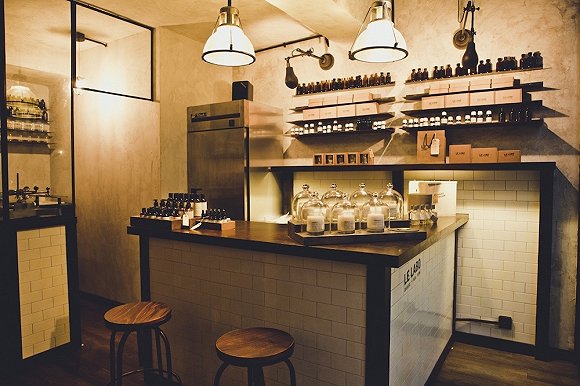
Although there are so many popular choices for perfume, there is always a niche market, such as Le Labo, a perfume laboratory created by two Parisians in New York. As the name suggests, this is a shop where perfumers can make perfumes on site according to customers' preferences. This store is unusual. It only has stores in Tokyo and Hong Kong in Asia, and it has to be opened in a non-traditional business district - the Hong Kong store is located in Wan Chai Star Street, which has a strong niche atmosphere.
Everyone hopes to be special, but Le Labo found a way out. However, the sense of capital is also very sensitive. In 2014, Estee Lauder fully acquired Le Labo, and who can resist the temptation of capital?