
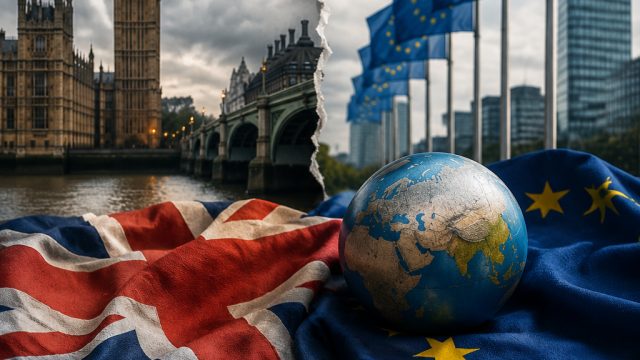
The Impact of Brexit a Decade Later: Analyzing Economic and Political Shifts
As the United Kingdom reflects on a decade since the historic Brexit referendum, the implications of that pivotal decision continue to resonate across various sectors of society. From economic growth to immigration patterns and political stability, the landscape has transformed in ways that warrant a closer examination. In this article, we delve into the significant changes that have occurred since the Brexit vote in 2016, emphasizing how these developments are crucial for understanding today's UK.
Economic Growth: A Tale of Two Decades
In the years leading up to Brexit, the UK economy was on a steady growth trajectory, with the GDP consistently rising. However, post-Brexit, the economic narrative has shifted dramatically. The uncertainty surrounding trade agreements and regulatory standards has led to a slowdown in certain sectors.
Pre-Brexit Economic Stability
- Consistent GDP growth averaging 2% per year.
- Low unemployment rates, driving consumer confidence.
- Strong investments in key industries such as technology and finance.
Post-Brexit Economic Adjustments
- GDP growth dropped to approximately 1.5% in the initial years post-referendum.
- Increased inflation rates impacting the cost of living.
- Shifts in investment patterns, with many companies reassessing their presence in the UK.
Immigration: Changes in Policy and Perception
One of the most contentious aspects of the Brexit debate was immigration. The referendum was largely influenced by concerns about the freedom of movement within the EU. In the decade since, the UK has implemented stricter immigration policies, which has significantly altered its demographic landscape.
Impact of New Immigration Policies
- Reduction in EU migrant workers, particularly in sectors like agriculture and hospitality.
- Emergence of new visa categories aimed at skilled labor, changing the hiring dynamics.
- Increased reliance on international talent outside of the EU.
Public Sentiment and Immigration
The shift in immigration policy has also influenced public sentiment. While some celebrate the end of free movement as a return of sovereignty, others lament the loss of diversity and cultural enrichment that came with a more open immigration policy. This division continues to fuel political debates across the spectrum.
Trade and Economic Relationships: A New Landscape
Trade relations have undergone a significant transformation since Brexit. The UK's departure from the EU has necessitated the establishment of new trade agreements that impact everything from tariffs to supply chains.
Initial Trade Disruptions
- Increased tariffs on goods imported from the EU, impacting prices for consumers.
- Supply chain disruptions that affected various industries, notably in manufacturing.
- Challenges in exporting goods due to new customs regulations.
Shifts in Trade Partnerships
In response to these challenges, the UK has sought to establish new trade agreements with non-EU countries. This strategy has resulted in varying levels of success, with some partnerships yielding immediate benefits while others are still in negotiation stages.
Political Landscape: Stability or Turmoil?
Brexit has not only transformed the UK’s economic framework but has also left a significant mark on its political landscape. The ramifications of the vote are still being felt, influencing elections and political strategies across the country.
Changes in Political Dynamics
- The rise of new political parties focusing on regional interests.
- Increased polarization among voters regarding Brexit outcomes.
- Frequent debates on the future of Scotland and Northern Ireland's relationship with the UK.
The Role of Leadership
Leadership changes in the UK have also reflected the ongoing Brexit discussions. New Prime Ministers and government officials have had to navigate a complex political environment influenced by public opinion, economic performance, and international relations.
Conclusion: What Lies Ahead for the UK?
As we mark ten years since the Brexit vote, it is clear that the decisions made then continue to shape the UK's present and future. The economic, political, and social shifts highlighted in this analysis underscore the importance of understanding the ongoing implications of Brexit. Moving forward, it will be crucial for the UK to adapt to these changes while fostering a cohesive society that embraces its evolving identity.