
It’s the first semester of the year again, and young people from all over the world will enter university campuses. As people who have experienced it, we have sketched out an extremely wonderful picture of the campus: they can find the joy of life and thinking in the classroom, and the university will teach them how to think. But there is a dark side that we avoid mentioning: college campuses can also be a breeding ground for ridiculous intrigues, professors have inappropriate relationships with students, and become involved in intrigues and academic disputes. Because of these, we have campus novels.
Campus novels have become a new literary trend since the middle of the last century. Since generally only middle-class families and above can afford a college education, the novel is naturally set primarily within a bourgeois family background. But then the rush of writers seemed to have gone too far. In 1963, a Los Angeles Times critic quipped: "If there were a tax on college novels, we might be able to afford a war."
There are many literary genres of campus novels. The six books listed below may be worth accompanying you when you return to school or enter as a freshman.
The Secret Historyby Donna Tartt
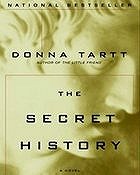
If you haven’t heard of this thrilling, best-selling mystery novel, that’s a shame! This novel, published in 1992, is Tartt's debut novel. In the book, six students study at Hampton University, an isolated school in Vermont, and form a self-proclaimed campus elite group obsessed with ancient Greek culture. Unfortunately, a murder occurred during an ancient Greek carnival. Bonnie in the group of six was about to leak the secret, and the other members had to deal with him. But Bonnie's death only got them into more trouble.
One sentence book excerpt: We are not ordinary friends, but life and death acquaintances who will remain loyal until death. That thought was my only comfort during those difficult days after Bonnie's death. Now the thought makes me sick because there is no escape. I have been tied to them forever. We have become grasshoppers on the same boat and can no longer be separated.
"Pictures from an Institution", Randall Jarrell
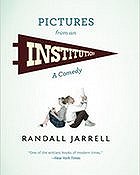
Jarrell is a talented but little-known poet who wrote this satirical novel after he finished teaching at Sarah Lawrence College. It analyzes the strange stories on the college campus, especially the personal relationships and private lives of the protagonists. were a pane of glass" and who liked to insult others to their faces. It is said that the prototype of this character comes from Jarrell's friend Mary McCarthy
On Beautyby Zadie Smith
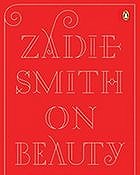
Smith set the background of the story in a place called Wellington College that is very similar to Harvard University. The protagonist of the story is a black family who has settled in the United States. The novel gently mocks the American university's penchant for identity and progressive politics. Smith also sets herself up for a cameo role as a weak visiting novelist, hinting in a generous spirit that she, too, is poking fun at herself.
One sentence book excerpt: "In college, people forget how to live. Even in a music library, they forget what music is."
Lucky Jimby Kingsley Amis
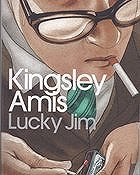
The protagonist, Jim Dixon, had doubts about taking on the role of a lecturer in medieval history, but the novel about Jim has received worldwide acclaim. Amis's comic novels are often compared to Wodehouse's best work. Dixson hated his superiors, despised the regular weekend social gatherings of the academic circle, and hoped to live a minimally comfortable life like "other British people who were tired of the war and post-war hard life." However, what people gave him was hypocritical idealism.
One sentence book excerpt: "Really. Your current attitude completely meets the two criteria for measuring love. First, you want to sleep with her but can't; second, you don't know her very well. Ignorance and helplessness, Jim. You can fit this formula, and you plan to continue to use it. It's that cliché, irrepressible feeling, isn't it?"
Possession: A Romance)》, AS Byatt
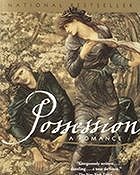
People often think that academic works always have their own specific intentions, and it is difficult for the author to express romantic feelings through them. Even if I spend many years in the archives sorting out old documents, I still can't sort out the delicate and dramatic works. However, Byatt is different. His particularly romantic novels are also full of academic flavor. In the book, a graduate student and a feminist professor are surprised to discover that two unknown poets they both love had met and had a secret affair.
One sentence book excerpt: "To be honest, I have never been a talkative person when I get along with others. I have nothing outstanding to say. And the so-called talent you discovered in me when we met by chance, in fact, what you saw was just a dead moon. Because of your brilliance and talent, the shimmer and brilliance were reflected from the broken surface."
"The Marriage Plot" by Jeffrey Eugenides
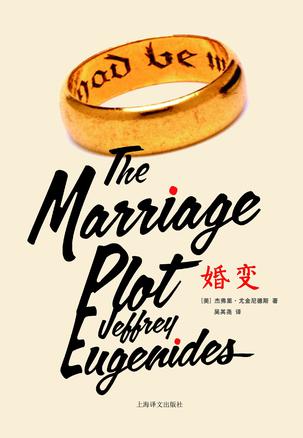
When The New Yorker first published excerpts from "The Marriage Plan" in 2010, almost every bibliophile in New York City was asking each other: "Have you read it?" In Eugenides' book, he deconstructed the traditional wedding ending of romantic novels. The protagonist Madeleine and her suitor talked about their shared obsession with Roland Barthes' theories.
One sentence book excerpt: "Lover's Whispers" is a good medicine to cure lovesickness. It is the guide of the soul, the tool of the mind. If you use your mind, if you understand how love is culturally constructed, and begin to realize that your symptoms are purely spiritual, if you realize that "being in love" is merely an idea, then you can free yourself from its tyranny.
(Translation: Liu Xin)