"A great university needs a great museum." Qiu Yong, President of Tsinghua University, quoted this sentence in his speech at the opening ceremony of the Tsinghua University Art Museum. After 17 years of preparation, China's largest university museum has finally opened to the public. But its story goes back 90 years.
In 1926, based on the data accumulated by the archaeological work of the Tsinghua Research Institute and promoted by Liang Qichao, Wang Guowei and others, Tsinghua established an archaeological exhibition room. In 1947, Tsinghua people clearly proposed to establish a museum. In April of that year, professors such as Liang Sicheng, Chen Mengjia, and Feng Youlan went to the United States to visit the "Far Eastern Culture and Society" seminar held by Princeton University, and were shocked by the rich collection of Princeton University. After returning to China, the three professors jointly wrote a letter to the then president Mei Yiqi, lamenting that “most of the major museums in Europe and the United States have been established in the Far East to collect and exhibit Chinese antiquities; each university has full-time professors to talk about Chinese art; but in contrast to domestic universities, there is no department responsible for this important task.” In April of the following year, Tsinghua University officially approved the establishment of a cultural relics exhibition room and held a public exhibition with nearly a thousand cultural relics on display. In 1950, Tsinghua University established the Cultural Relics Museum.
After 1947, Tsinghua University spent a sum of money every year from its library funds to acquire a large number of cultural relics from the domestic and even American markets, and also accepted many important donations. By 1952, the Tsinghua Cultural Relics Museum had a collection of approximately 13,000 items, a considerable amount. In the subsequent adjustment of departments, a large number of cultural relics were transferred to the newly established Central College for Nationalities. By 1959, some fine cultural relics such as oracle bones, jades, bronzes, stone carvings, wood carvings and silk carvings were moved to the Chinese History Museum (now the National Museum of China). At this time, there were less than 5,000 cultural relics left in Tsinghua, mainly more than 1,600 bronzes and more than 1,700 oracle bones.
But in 1999, the Central Academy of Arts and Crafts joined Tsinghua University, bringing a collection of more than 13,000 pieces to Tsinghua University. Today, the Tsinghua Art Museum has a collection of more than 13,000 items, mainly from the collection of the Academy of Fine Arts and donations from alumni and other sectors of society in recent years.
In 2003, Tsinghua University invited international bids for the art museum project. In 2012, with the support of three alumni, the museum broke ground. In January 2013, Mr. Huang Rulun generously donated 200 million yuan to support Tsinghua University for museum construction. After intense construction and preparation, the Tsinghua University Art Museum officially opened on September 11, 2016.
Yesterday, Jiemian Culture reporters visited the new museum and compiled an exhibition guide, which I hope will be helpful to you.
Architecture: Designed by Mario Botta, adjacent to the main building of Tsinghua University
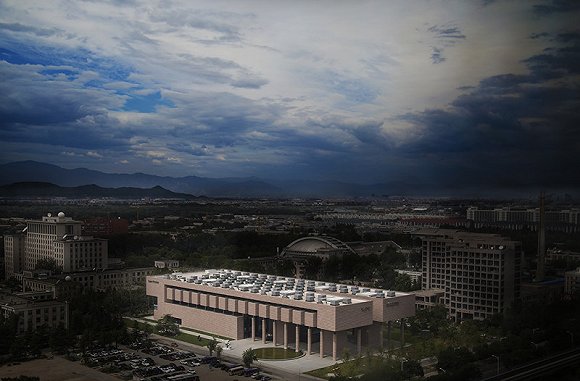
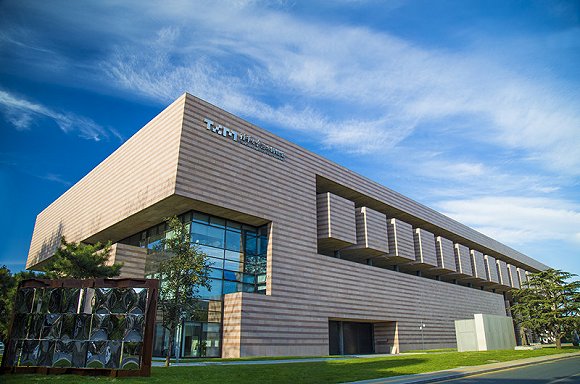
The museum was designed by Swiss designer Mario Botta. It is adjacent to the main building of Tsinghua University and faces the Tsinghua Academy of Fine Arts in the north and south. Against the backdrop of the green space, the brick-red decorative stripes on the exterior wall appear scattered and well-proportioned. The 17-meter-high row of columns in the southeast corner are tall and graceful and do not feel oppressive.
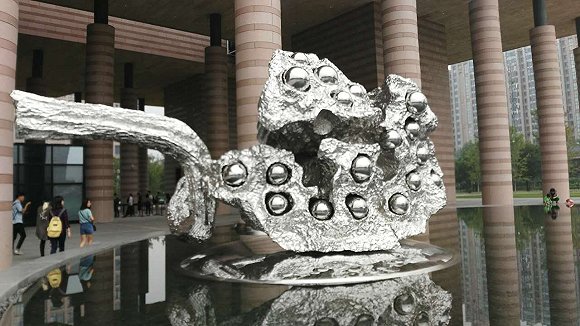
A number of outdoor landscape sculptures are placed around the main building, each with its own characteristics. A metal silver lotus sculpture is placed on the circular pool outside the corridor. The stems are curved and tilted outwards. The crystal-clear lotus seeds reflect the surrounding environment. They are ready to be breathed out and full of movement. It perfectly embodies the combination of modern craftsmanship and classical artistic conception.
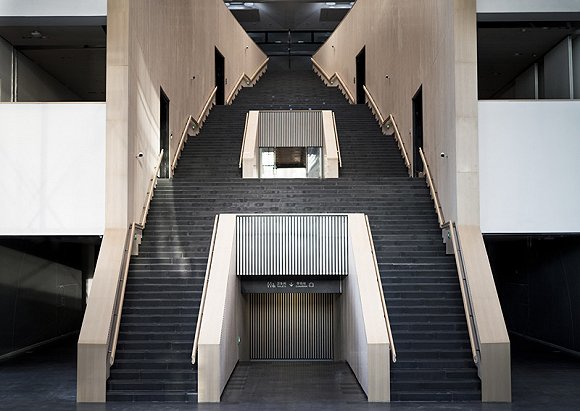
As you walk into the main body of the building, you can see that the combination of pink side walls and large black stairs extends to the highest point, giving visitors a sense of open vision. The visual combination of dark and light colors makes the atmosphere of the hall neither boring nor frivolous. In order to make full use of natural light, the roof is also designed as a natural light filter, allowing sunlight to shine through the rooftop glass. This provides good lighting conditions for the exhibition.
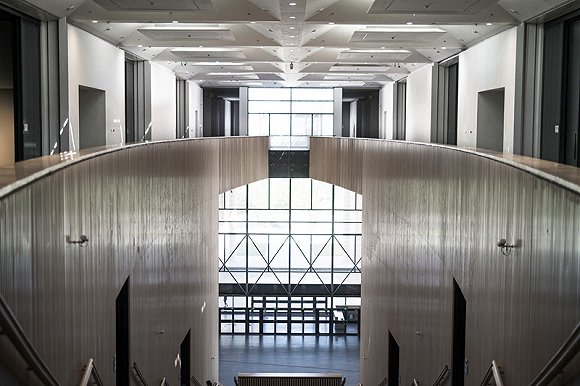
Designer Botta also pays great attention to the symmetrical effect and geometric beauty of the building. Standing at the top of the grand staircase in the exhibition hall and looking back, the corridors on both sides of the fourth floor of the museum appear as two subtle arcs, echoing each other and showing a rich sense of life, as if they have the desire to touch each other. And if this landscape is regarded as a single-arch bridge that has not yet been closed, the gap under the bridge is like a door with a curved top, opening to the outside.
Special exhibition: 60 authentic Leonardo da Vinci manuscripts landed in China for the first time
Among the 11 exhibitions opened, "Conversation with Leonardo da Vinci/The 4th International Exhibition of Art and Science" has received the most attention. The exhibition includes 60 authentic manuscripts of Leonardo da Vinci’s Codex Atlanticus. The manuscript shows Leonardo da Vinci's great achievements in geometry, mechanics, architecture, military science, flight science, botany, and interpretation.Careful research and fantastic ideas in many fields such as anatomy and allegory. Some designs and ideas are still very imaginative and even a bit "weird" today.
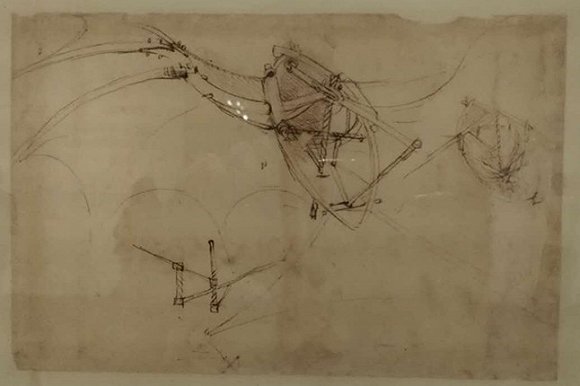
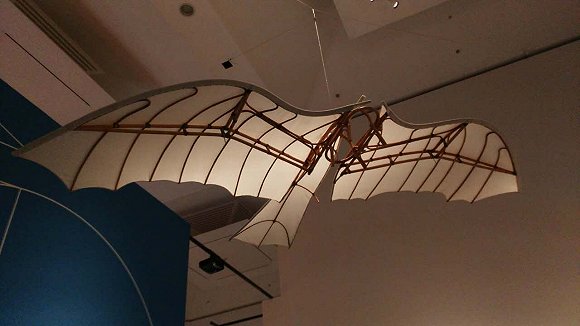
This manuscript shows Leonardo da Vinci's first "flying machine" idea. The huge machinery in the picture has supports that resemble the keel of a ship. On the right side of the screen, the details of the aircraft's power plant are presented separately. Leonardo da Vinci envisioned that flight would be facilitated by the superposition of energy generated during the coordinated movement of a person's arms and legs. During flight, the pilot assumes a prone position, and two loops at the neck and waist will ensure that the human body is fixed to the aircraft. Using two handles held in the hand, the pilot can vibrate the wings. The ropes held between the feet are used to control the ascent and descent of the aircraft.
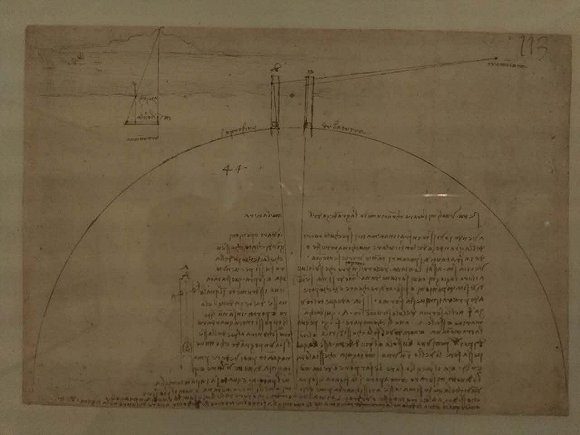
Leonardo Da Vinci imagined building a huge instrument to measure the circumference of the Earth. The instrument consisted simply of a shaft, two rings, a rope and a compass. The principle is also very simple, that is, it attempts to obtain the curvature of the earth's surface through a series of measurements and calculations of the sun's irradiation angle, thereby calculating the earth's circumference. However, this idea was not realized in the end.
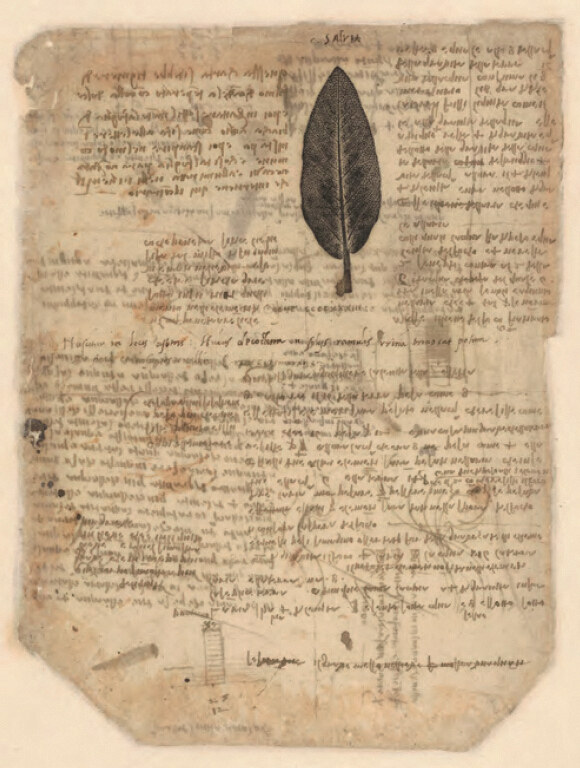
Of interest to scholars is a patch of sage at the top of the manuscript (marked "SALVIA" above it). The leaf described by Leonardo da VinciThe imprinting method is considered more advanced than similar methods that appeared in Europe in the mid-19th century.
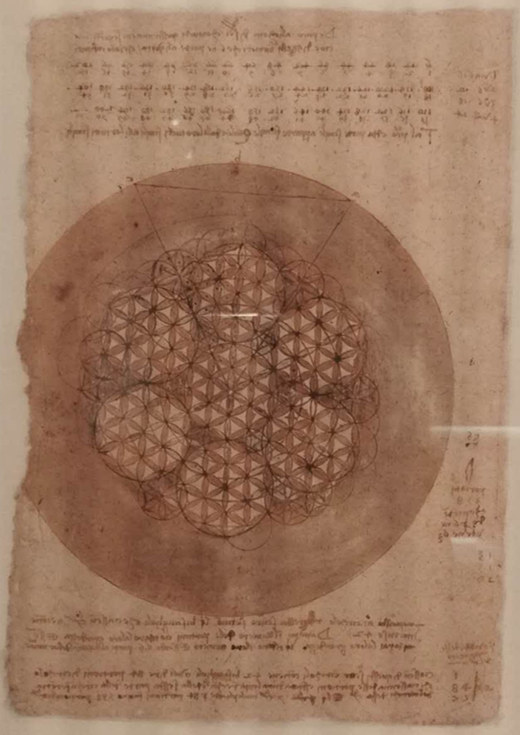
This manuscript is considered one of the most wonderful works in the Atlantic Codex. Bisangoli is a star-shaped pattern surrounded by olive leaf shapes. In this manuscript, the intersection of equal-sized circles pointing toward the corners of opposing inscribed hexagons forms many bisangoli. The mesh pattern in the inner circle consists of 7 circles, each of which can be divided into 84 parts (equal to 42 bisangoli), resulting in a total of 588 equal parts.
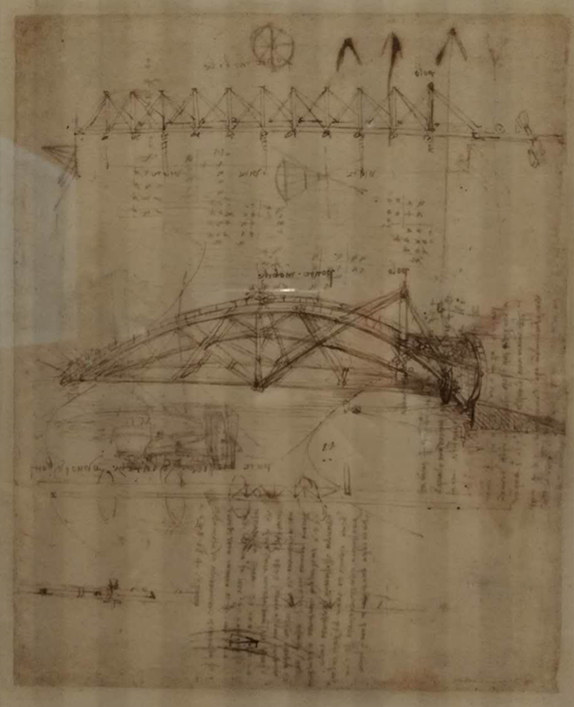
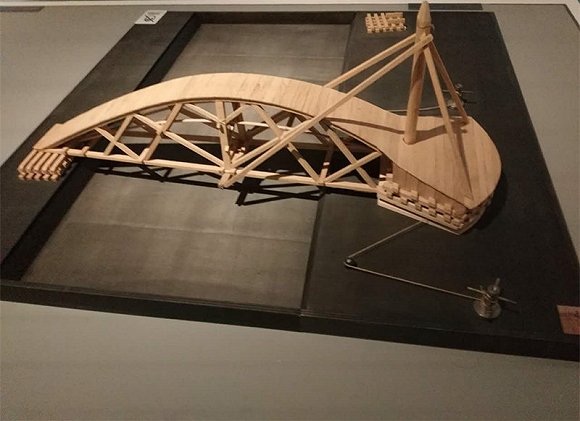
The manuscript on this page depicts three designs for a "movable" bridge. The middle plan uses a long pole on one side of the bridge as an axis, which can easily rotate the main body of the bridge to the other side of the river. These ideas eliminate the need for temporary construction of the bridge, and can be easily carried across the river.
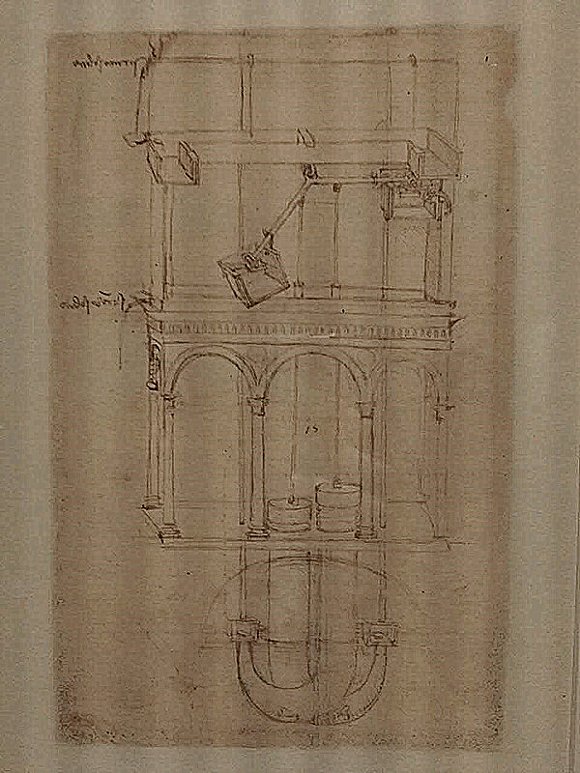
This manuscript is believed to be a perpetual motion device designed by Leonardo da Vinci. During the Renaissance, "architecture" and "machine" were often synonymous. In this manuscript, the perpetual motion machine is given the shape of a two-story building, which is both functional and aesthetic, vividly demonstrating this point of view.
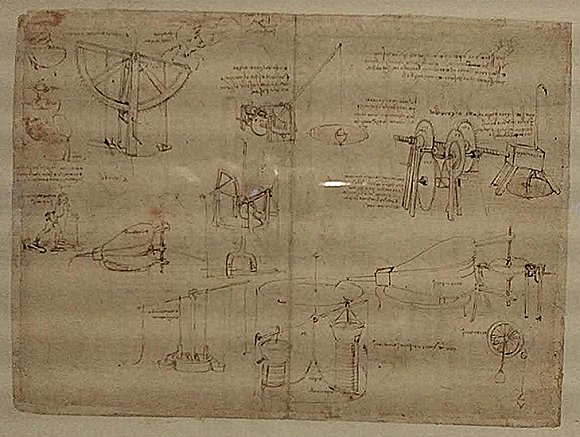
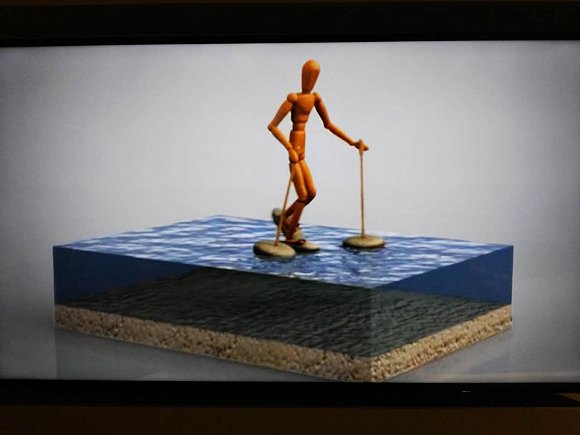
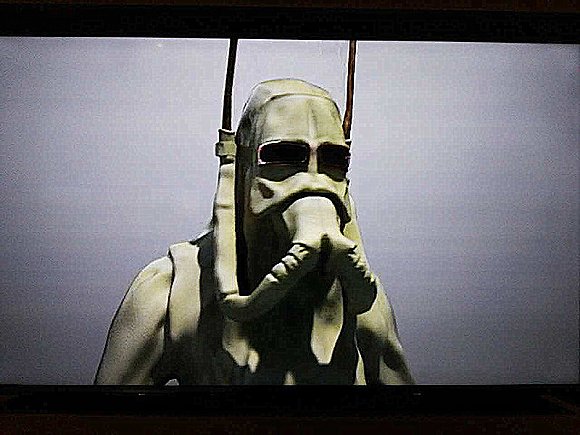
In this manuscript, Leonardo da Vinci designed a water walking device. After wearing this device on the soles of the feet, people can walk flat on the water. Another part of the manuscript is the design of a diving suit and underwater breathing apparatus.
Contemporary scientists and artists VS Leonardo da Vinci
In the second half of the "Conversation with Leonardo da Vinci" exhibition, contemporary artists and scientists collaborated, exchanged knowledge, and presented a new era of imagination competition.
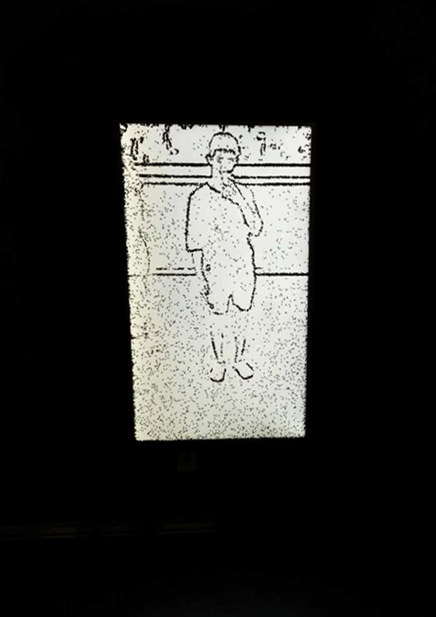
In this interactive installation, thousands of bugs fly around on the projection screen. When the audience stands in front of the screen, they converge toward the center of the screen, forming the outline of the audience. The small flying insects constantly adjust their flight trajectories, interpreting the relationship between individuals and groups. This work is considered a metaphor for the current narcissistic culture (Selfie-Culture): under the influence of social media, people are keen on taking selfies, and a large number of photos appear one after another, but like the life of a small flying insect, it is fleeting.
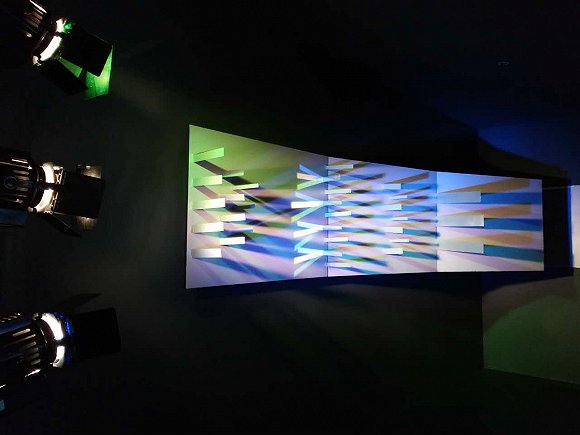
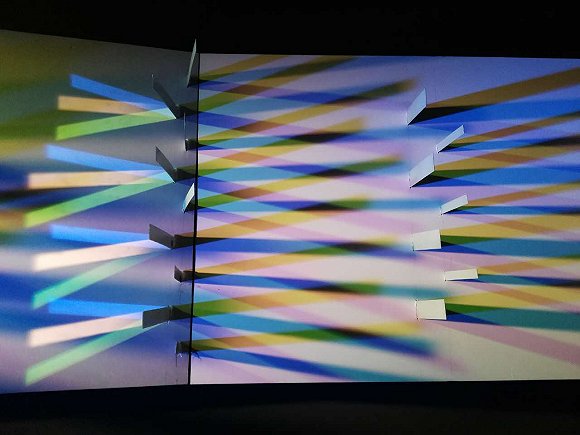
In 1672, scientists discovered the "color shadow phenomenon". Under normal circumstances, a beam of white light hitting an object with a white surface will produce a shadow. If a second beam of white light hits, a second beam will be generated. But if one light source is colored and the other is white, people will see both shadows as colored. This is actually caused by a distortion of our brains. This work presents a rich variety of colors through a specific structure, demonstrating the perfect combination of lighting art and color science.
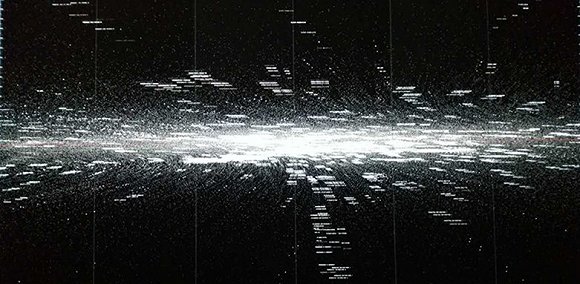
The artist Ryoji Ikeda was inspired by his collaboration with scientists from the European Organization for Atomic Research (CERN) to use oversized works to depict a macroscopic nature, creating a fully immersive environment for the audience. In front of the huge image, the audience is introduced to the Planck length perspective, and together with the artist explore our potential to perceive the extremely small and extremely large in the natural world, the scope of which even exceeds the "scan" of the observable universe. (Planck length is a physical constant that can determine the minimum length quantum, which is 10E-33 centimeters).
Others: There are also these exhibitions worth seeing together
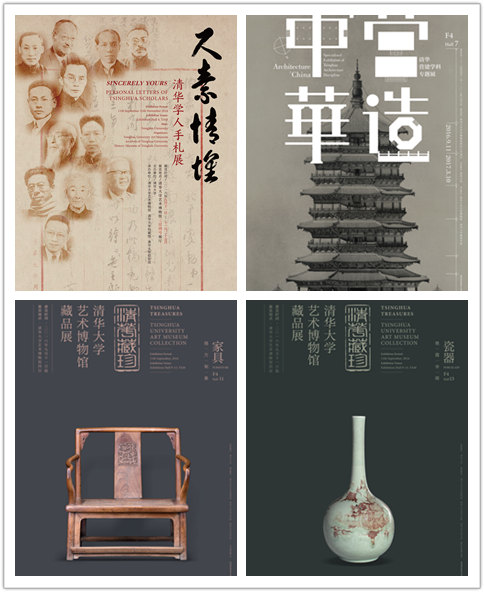
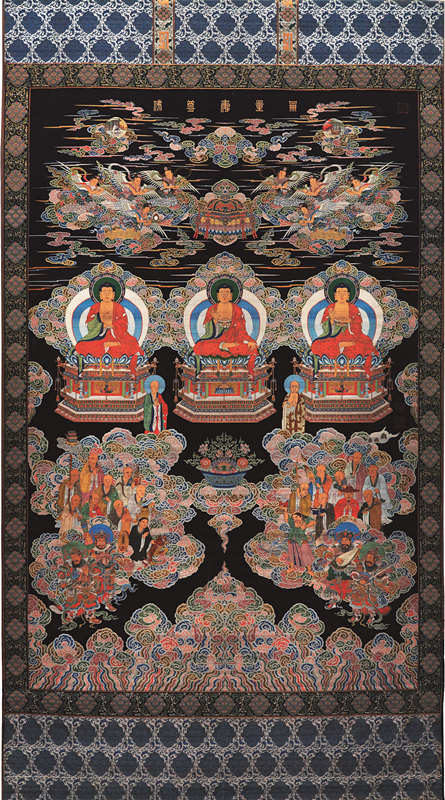
"Treasures from Tsinghua University" - Tsinghua University Art Museum Collection Exhibition
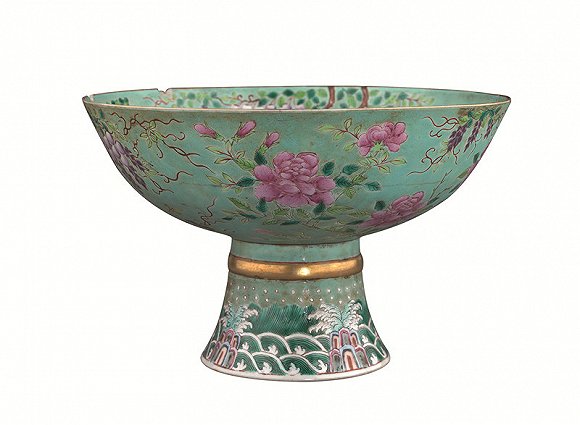
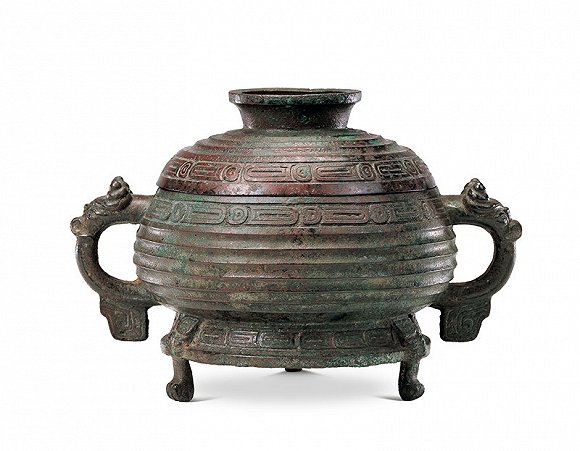
Four hundred and fifty classic collections of Tsinghua University make their debut; the exhibition covers five art categories: calligraphy and painting, weaving and embroidery, porcelain, furniture, and bronze ware.
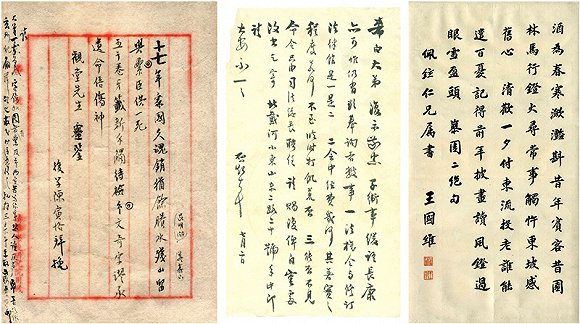
"Feelings of Ruler" - Exhibition of Tsinghua Scholars' Notes
130 famous Tsinghua scholars (Wang Guowei, Liang Qichao, Chen Yinke, etc.) made their first collective appearance together with their handwritings, and precious materials from Tsinghua Archives met the audience for the first time.
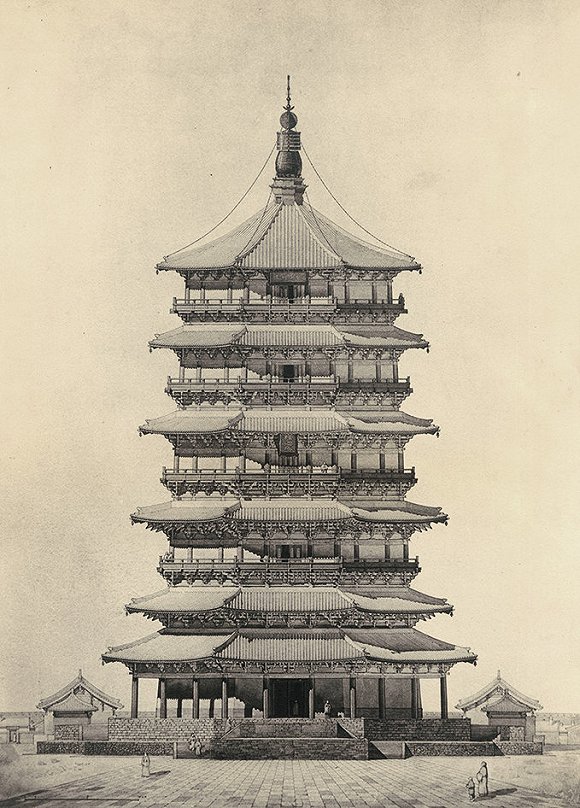
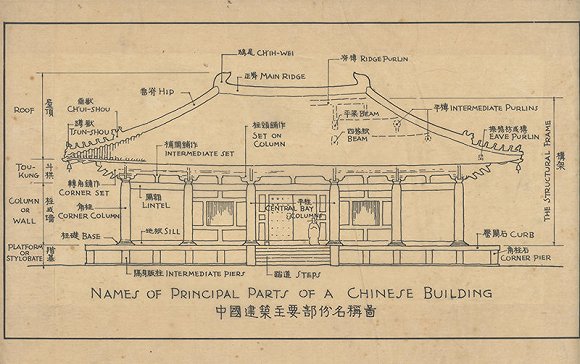
"Creating China" - Tsinghua Construction Discipline Special Exhibition
The exhibition will display a large number of ancient architectural documents, Liang Sicheng's hand-drawn drawings, and famous ancient architectural models, fully demonstrating the unique charm of ancient Chinese architecture.
In addition, the museum also has exhibitions such as "Reflecting on the Heart of a Wise Teacher" - an exhibition of art works by Tsinghua University Academy of Arts and Design, "Classics on Bamboo Slips" - a Tsinghua Slip Document Exhibition, and "College Passion" - an exhibition of art works of Tsinghua University Academy of Arts and Design.
Visit information
Opening hours
9:00—17:00 (last admission at 16:30)
Closed on Mondays (except legal holidays)
How to purchase tickets
•The real-name system is adopted for ticket purchase, and valid identification documents (ID cards or passports, Hong Kong and Macao passes, Taiwan compatriot certificates, etc.) must be brought;
•General admission tickets (including permanent exhibitions and ordinary temporary exhibitions): 20 yuan/person; Da Vinci exhibition tickets (including all exhibitions in the museum): 60 yuan/person;
•Children under 6 years old (including 6 years old) or under 1.2 meters (including 1.2 meters) in height are free of charge for general admission and enjoy a 50% discount on special exhibition tickets. Children must be accompanied by their parents when entering the museum, and parents need to purchase tickets to visit;
•Active military personnel, senior visitors aged 60 and above, and people with disabilities are exempt from general admission with valid ID;
•Non-university, middle school and primary school students (including students from Hong Kong, Macao and Taiwan, excluding adult education and graduate students) can enjoy a 20% discount on general admission tickets with their student ID or letter of introduction from the school;
•Groups (20 people or more) can enjoy a 10% discount on general admission tickets and special exhibition admission tickets with a letter of introduction. You need to call to make an appointment one week in advance;
•Only tickets for the day are sold on site;
•Tickets purchased on the official website are pre-sale tickets, with a daily limit of 3,000 special exhibition pre-sale tickets available online.
How to get there
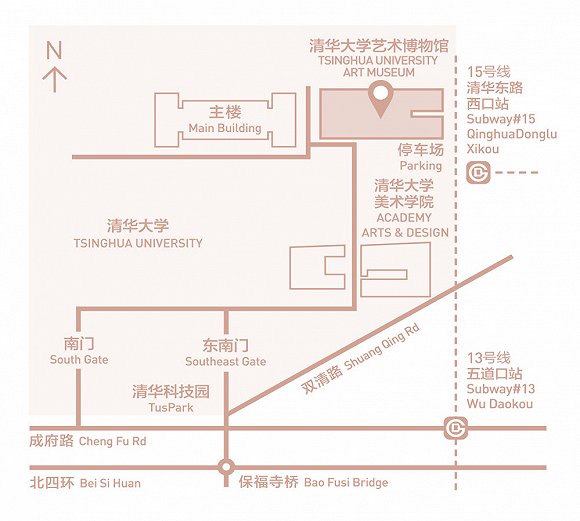
Address of Tsinghua University Art Museum: Enter the southeast gate of Tsinghua University, walk straight 300 meters to the east of the main building.