This article is reprinted from the WeChat public account "Greenwich Hippie Research Commune" (ID: qianjianread) and is published with the authorization of the author Jihuiyu.
The rebellious spirit represented by "hippie" has appeared in modern times. European "Decadence" in the 19th century, the "Dada" movement before and after World War I, the "Surrealism" movement between the two world wars, the "Lost Generation" in the United States in the 1920s and 1930s, and the group of black American jazz musicians, etc., have rebelled against tradition in almost all aspects, from the creation of poems, novels, paintings, and music to ideas, lifestyles, and personal value orientations. It can be said that the rebellious spirit of the "hippie era" has its own complete continuity, and it is not a new thing.
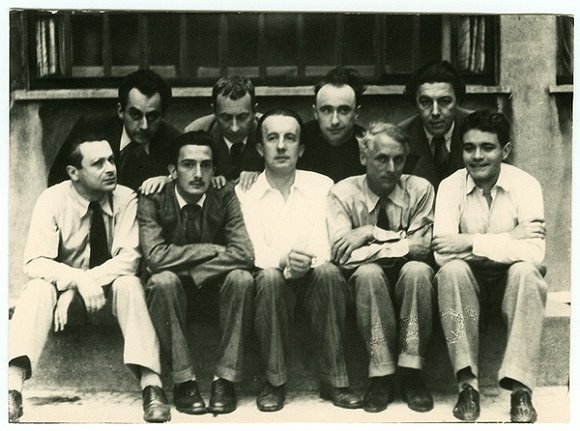
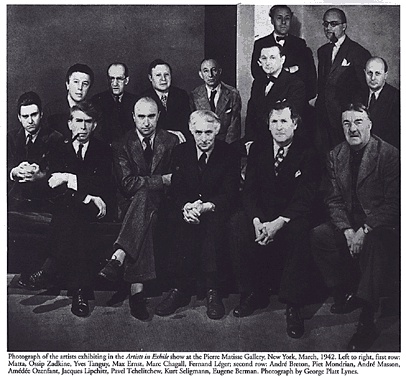
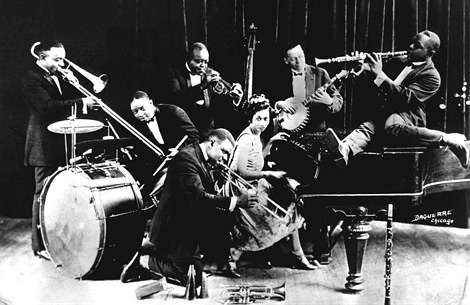
But what makes the "hippie spirit" different lies in the subject. For the first time in history, "youth/teenagers" was invented as a professional term, defined as an emerging group, and studied as a nascent class. The "youth culture" or "rebellion culture" derived from it was created by new subjects in a new period, a new historical background, and was naturally different from the appearance of the "old world."
As mentioned above, the fifty-year history of "hippie" has experienced the changes of four different youth subjects: "Hipster" in the 1930s and 1940s - "Beatnik" in the 1940s and 1950s - "Hippie" from the mid-1960s to the end of the decade - "Yippie" from the late 1960s to the mid-1970s.
Hippie Fiftyyear, let’s start from the beginning.
Hipster
The word Hipster, according to Wikipedia, first appeared in 1946. Many people in China translate it as "Hipster", and the transliteration of "Hipster" in "Howl" is "Holy Hipster". There are also many fallacies that directly equate it with "Hippie". However, tracing the history of this group, the available textual information appears in Norman Mailer's 1965 book "White Black". He describes the white people who followed the black "decadents" in the 1920s and 1930s.
In fact, "Hipster" originally referred to black people.
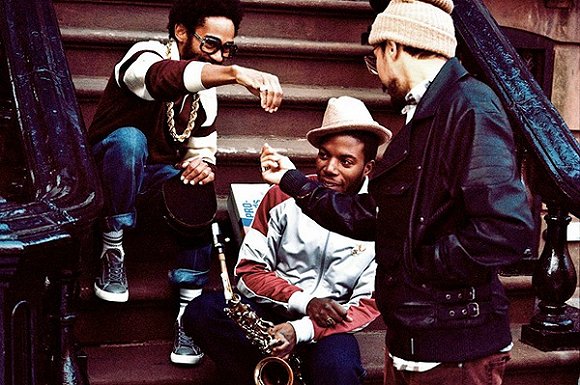
In "Decadence, Black Decadence" I briefly analyzed the meaning of the word "Hipsiter". The "Black Migration Movement" before and after the "Great Depression" and the "Harlem Renaissance" at the same time led to the first prosperity of black culture in the modern sense, and the true "Hipster" was born here. But at that time, they were called "decadents." Still under the shadow of racial discrimination and excluded from mainstream culture, black youth listened to jazz, smoked marijuana, drank heavily, and indulged in sex. They were incompatible with the orthodox Protestant ethics of the time and the Puritan values that lingered until the 20th century, and became the main body of the rebellion.
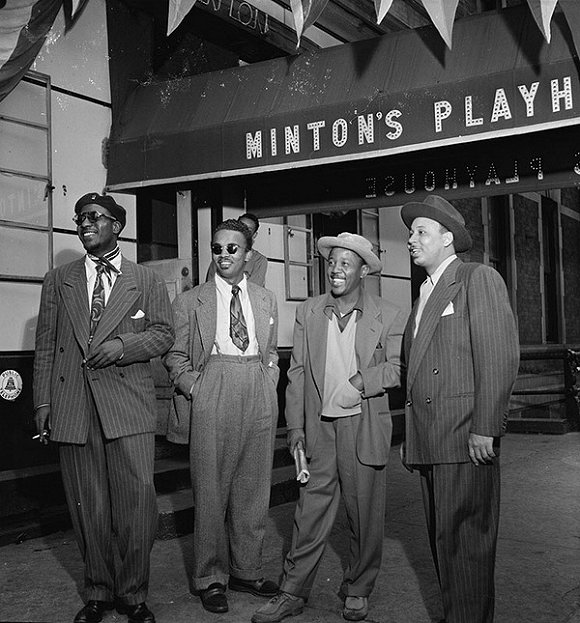
In the 1940s, with the growth of post-war youth groups (dominated by white youth) and the first formation of youth culture (dominated by white youth culture), the word "Hipster" was stripped out of the specific black group and became a lifestyle and rebellious aesthetics. In other words, not only black people, but also white people began to be attracted by "Hipster" and joined the "Hipster" culture, and also developed the rebellious spirit of "Hipster".
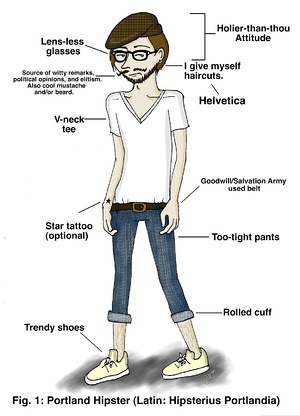
In fact, "Hipster" has now even become a specific subcultural symbol and fashion style that is different from "Hippie". It has truly become a cultural product borrowed by white youth and developed into mainstream consumer goods.
Beatnik
After "Hipster", in the 1940s and 1950s, a group of writers and poets defined as the "Beat Generation/Beats" took over the spiritual mantle of "Hipster".
The "Beat" writers and poets themselves belong to a niche group. They practice their philosophy of life with their unruly lifestyle. In their works, they also show their obvious dissatisfaction with the conservative and oppressive social environment and their yearning for a free life. They export their own values and had a great influence on the young generation at the time. Typical figures such as Jack Kerouac, Allen Ginsberg and William Burroughs, and classic texts such as "On the Road", "Howl" and "Naked Lunch". They were not known to the public in the 1940s and could be regarded as a loose circle of writers. However, as American society became increasingly rigid and repressed after the war, the "Beat" literature and "Beat" spirit began to attract the attention of more and more young people.
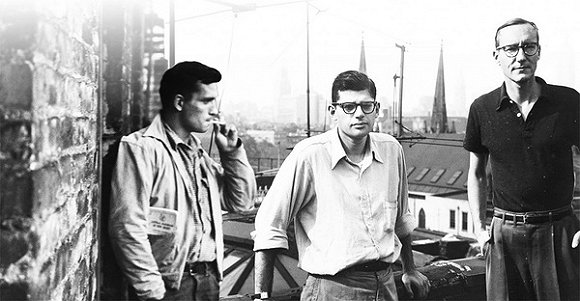
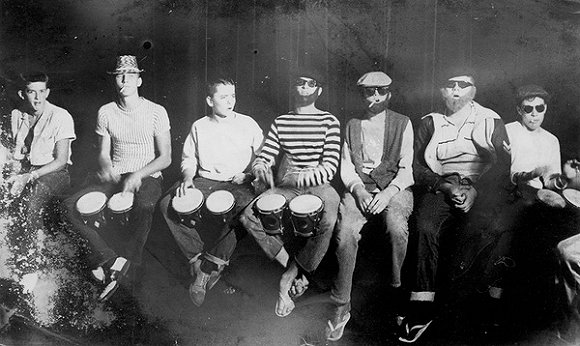
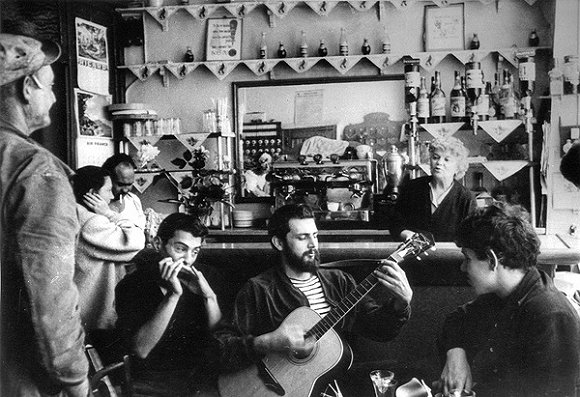
From the 1950s to the mid-1960s, young people who followed the "Beat" spirit, regarded "On the Road" as their "bible", listened to jazz and classic rock, wore work clothes and were uninhibited, and were accustomed to writing poems and creations, were called "Beatniks". "Beatniks" haunt New York's Greenwich Village all year round, making it their home base. Before the third revival of folk songs, the wave of rock music swept through this bohemian holy land, and hippies occupied the village, "Beatniks" were the mainstay of American rebellious culture. This situation lasted until the mid-sixties, when the "hippies" emerged.
One thing worth noting is that the Beats are often compared to the hippies. On the surface, the Beats are completely different from the latter: the Beats believe in Eastern Buddhism, escaping from the world, and resist secular society with a negative attitude, while the hippies are optimistic and unrestrained, and mock the capitalist system itself with active decadence. But the rebellious spirit of the two actually comes from the same origin. Without "Beatnik", there would be no "Hippie".
In fact, the 1960s was the era when many "beats" led the "hippies", including Allen Ginsberg, Neal Cassady, and Jack KeruaGram and William Burroughs, their legendary lives and immortal works are the spiritual beacon and action reference of "hippies", and more "Beatnik/Hippie" just experienced a change of identity (attire). In the mid-1960s, they took off their monotonous cotton and linen work clothes and put on brightly printed and dyed T-shirts.
Hippie
Around 1966, the "Hippie" emerged. It started with the rise of psychedelic rock in San Francisco. With the Haight-Ashbury neighborhood and Golden Gate Park as its base camp, a group of young people with disheveled hair, wearing printed clothes, and smoking LSD traced the spirit of "Hipster" and transformed the elements of "Beatnik". They integrated the rebellion and further developed it. The "hippie movement" was launched, and the heyday of "hippie" came.
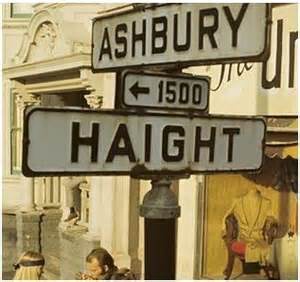
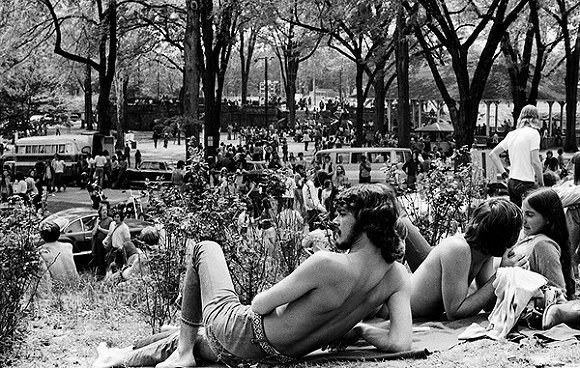
In January 1967, "hippies" held the first-ever "hippie" rally in San Francisco: the "Human Be-In" rally, which was considered the prelude to the "Summer of Love." At this event, Timothy Riley, the famous promoter of LSD and Harvard professor (Nixon once called him "the most dangerous man in the United States") put forward the famous slogan "Turn on, tune in, drop out!" (Look inside, pay attention to society, withdraw from the world), which set the slogan and tone for the "hippie movement".
1In the summer of 1967, hundreds of thousands of "hippies" gathered in San Francisco's Haight-Ashbury neighborhood and Golden Gate Park for a massive counter-culture rally. They smoked marijuana, went naked, held political rallies, gathered in crowds to protest, held rock performances, and listened to poetry readings. This large gathering, known as the "Summer of Love," was a carnival for the youth of the 1960s.
The Woodstock Music Festival, held from August 15 to August 18, 1969, was the swan song of the "hippie movement" in the 1960s. 450,000 people responded to the slogans of "peace, anti-war, fraternity, equality" and completed the curtain call of the "hippie movement" at the last and largest concert at the end of the 1960s.
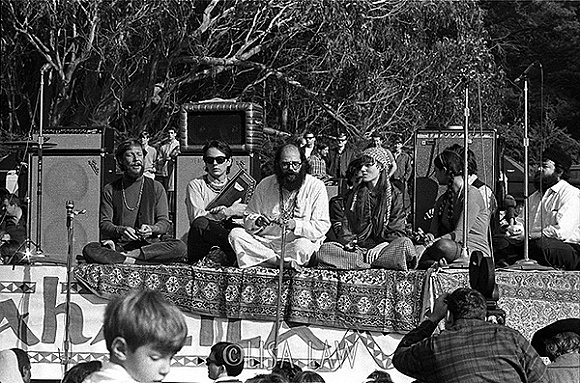
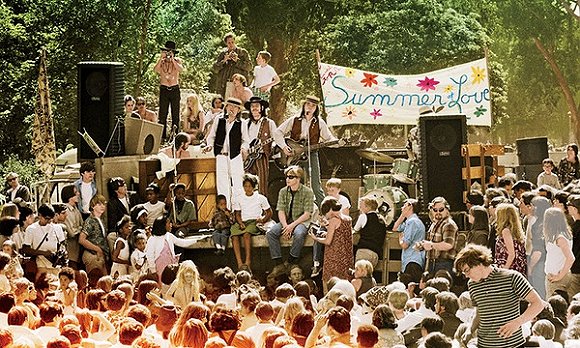
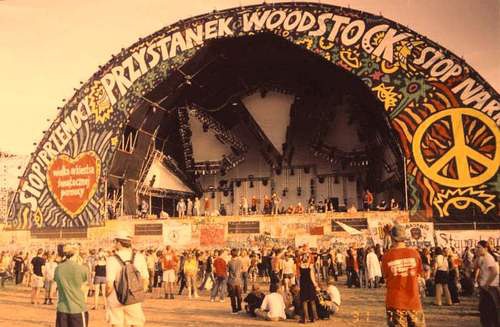
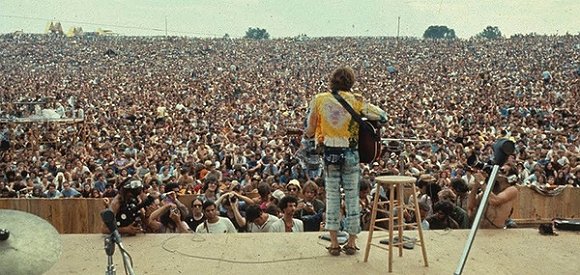
Compared with the decadent escapism of "Beatnik" in the repressive environment of the 1950s, the hippies practiced rebellion in another way: not jazz, but rock music; not marijuana, but LSD; not obsessed with foreign beliefs, but instead pursuing personal freedom; no longer relieving the sexual desire of men and women on a small scale, but seeking sexual liberation for the whole society; and no longer using words as a tool, but expressing their demands by forming communes and demonstrations.
In terms of cultural value, "hippie culture" has the greatest influence on future generations in the course of "hippie history". The youth culture/subculture after the 1960s was all born out of hippie culture, or in other words, all was influenced by "hippie culture". Later, the "yuppies" (also translated as yuppies) in the 1970s and 1980s, the hippies of the new era, as well as the subculture that has now become a secondary pole of consumer culture and mainstream culture, all originate from "hippie culture".
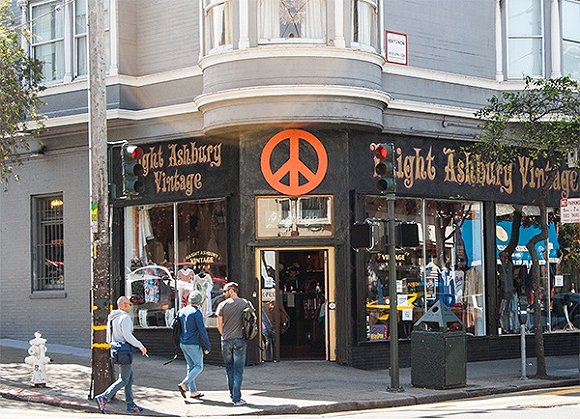
However, there is a phenomenon worth mentioning. The public's current interpretation of "hippies" has actually become a misunderstanding. "Hippie" has become synonymous with being unlearned, cynical and hedonistic. Especially in China, the translation problem is one and the introduction is incomplete, which has led to "hippies" becoming a negative label and "hippie culture" being despised.
But what is incredible is that without the "hippie culture" of the 1960s, the so-called "subculture/youth culture" that contemporary Chinese youth are addicted to, believe in, mistakenly follow, blindly follow, plagiarize and sell would be nowhere to be found. The concepts of personal equality, racial equality, sexual liberation, environmental protection, etc. that have built today's mainstream values are largely due to the efforts of the "hippie movement" in the 1960s.
Yippie
"Yippie", generally translated in China as "Yippie", "Yippie", and "Yippie", is a more grotesque and bad-tasting group that breaks away from the "hippies", and is also a more bold and outrageous rebellious group.
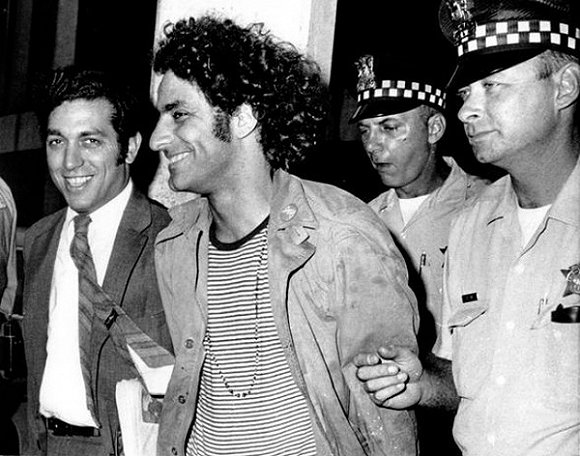
The originator of "Yippie" is named Abbie Hoffman. If you are familiar with the history of the 1960s, you will know that this person is a complete legend. In early 1968, he and Jerry Rubin (leader of the Berkeley branch of SDS) founded the "Yippie" organization - but fabricated an explanation with the media as a so-called "Youth International Party" (YIP) - with the intention of combining "hippie" culture with the radical revolutionary spirit of the 1960s.
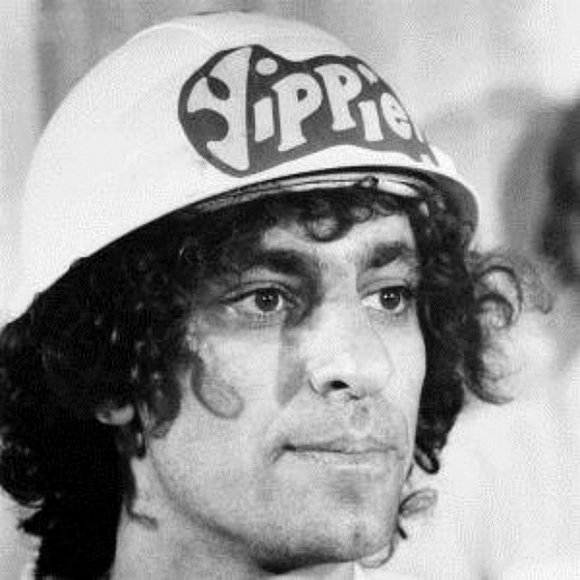
The "Yippie" people go around causing mischief and destruction. The most famous action is 196The Democratic Convention was held in Chicago from August 25 to 30, 1988. Hoffman first announced that he would put LSD in the Chicago water system, and then nominated a pig named "Mr. Pigasus" as a candidate for the election. After that, he led thousands of "Yippies" to Chicago. The mayor of Chicago mobilized more than 20,000 police and National Guard troops to stop the "riot." In the end, more than 1,000 people were injured and several died tragically.
Hoffman and six others were put on trial and became known as the "Chicago Seven" in history.
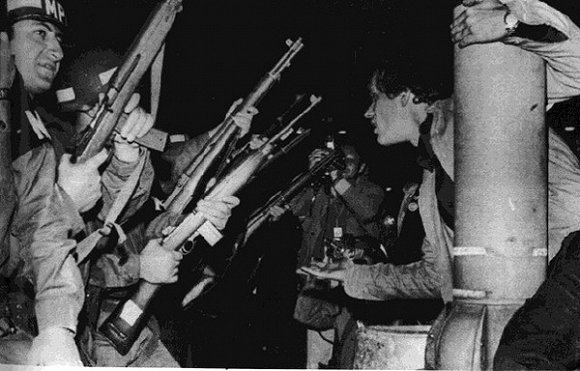
In 1969, he led the "Yippie" to stage a riot at the Woodstock Music Festival, claiming to establish the "Woodstock Kingdom"; in 1971, he founded the "Youth International Party Front Newsletter" with a phone hacker, which became the beginning of hacker culture; after being released from prison in 1972, he planned a series of anti-war activities with John Lennon; in 1980, he surrendered to the police; in 1989, he committed suicide by taking 150 phenobarbital tablets.
Abbie Hoffman and his "Yippie" can be regarded as the radical dimension of "Hippie". They use violent destruction and radical revolution to resist, resist and even overthrow the current capitalist system as their program. In fact, it was a strong reaction to the disillusionment brought about by the end of the "hippie movement" in the late 1960s. It was also an appropriation and alienation of the "hippie spirit" in the context of increasing violent conflicts at that time. "Rebellion" advanced to "revolution", and "hippies" turned into "yippies", but his and the "Yippie" vision was destined not to be realized.
Conclusion:
After "Yippie", the "hippie spirit" did not end, but it was gradually declining.
The emergence of "Yuppie" in the 1980s marked the complete naturalization of the once rebellious generation of youth into mainstream society; the "Grunge" trend of the 1990s once gave birth to a growing group of rebellious youth.group, but the "Grunge fever" suddenly subsided in a few years, and the "rebellion" at the end of the century has come to an end; today, the old "hippies" are still clinging to the "tradition" of the 1960s, and the new "hippies" are more of just enthusiasts who "turned" to embrace technology, are willing to consume, and use the "hippie spirit" for experiments, small-scale gatherings and cultural research. The core of "rebellion" has been eliminated in the new era.
As that period of history continues to fade away, the "hippie spirit" continues to be absorbed by mainstream consumer culture and dismembered by various subcultures. There may no longer be "hippies" in the future. Instead, they may be geeks in Silicon Valley who believe in technological optimism, the new generation of Internet natives who create network culture, and the vast majority of young consumers who actually create GDP in the name of subculture, subculture, and niche culture but have neither cultural creation nor ideological output.
Fifty years of hippie life have indeed passed away.