Is there any way to know what styles of dresses were favored by Parisian women in the 1950s and what poses they most liked to take photos with? In addition to reading written records, the best way is to look at old photos.
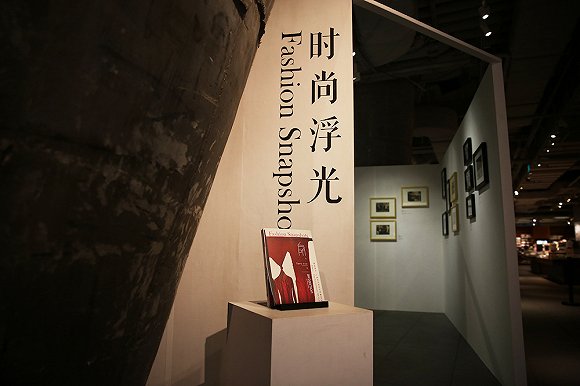
Starting from September 10th to November 21st, Guangzhou Fangsuo held a "Fashion Glow" exhibition to display 69 old photos related to fashion. The people were famous and famous, including anonymous ordinary European women, Yves Saint Laurent when working in the workshop, and Gabrielle Chanel in social situations. The shooting time spanned from the late 19th century to 2011.
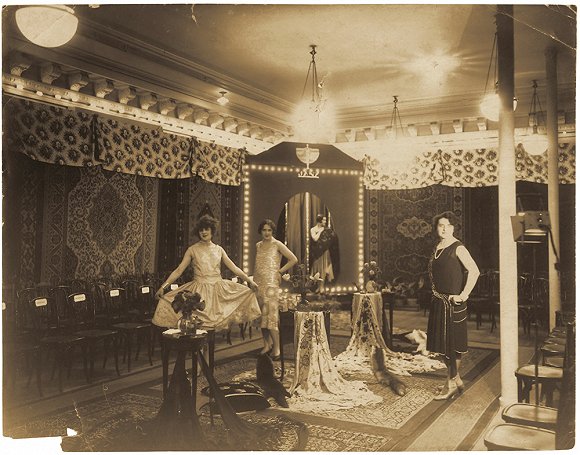
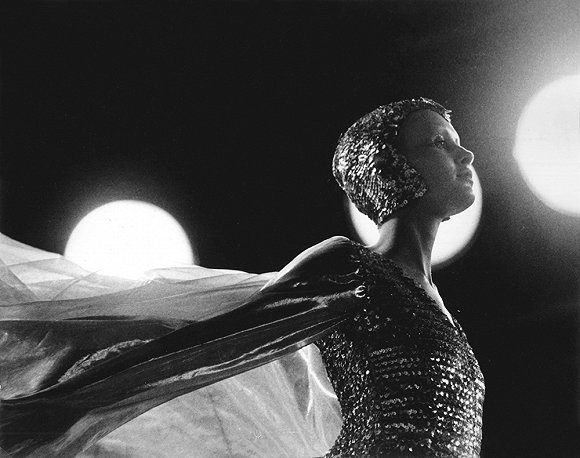

The curator of the exhibition, Serge Carreira, is the global retail sales director of MiuMiu and also teaches fashion and luxury industry-related courses at Sciences Po in Paris. On the day of the official opening, he also made a trip to Guangzhou. In fact, these photos all come from his private collection. The original auction prices ranged from 100 euros (approximately 753 yuan) to 5,000 euros (approximately 37,600 yuan).
We often say that fashion is a projection of social reality, which is also fully reflected in fashion photography, and photos faithfully record it all.
Decades ago, designers always took so many photos of their work. Have today’s designers become lazy?
In addition to Yves Saint Laurent working in the workshop, there are also Hubert de Givenchy, the founder of Givenchy, who is selecting samples, and Jacques Fath, a popular designer in the 1950s who is busy in front of the cloth.
To this day, we rarely see photos of designers at work, but this does not mean that today’s designers are not as diligent as those in the past.
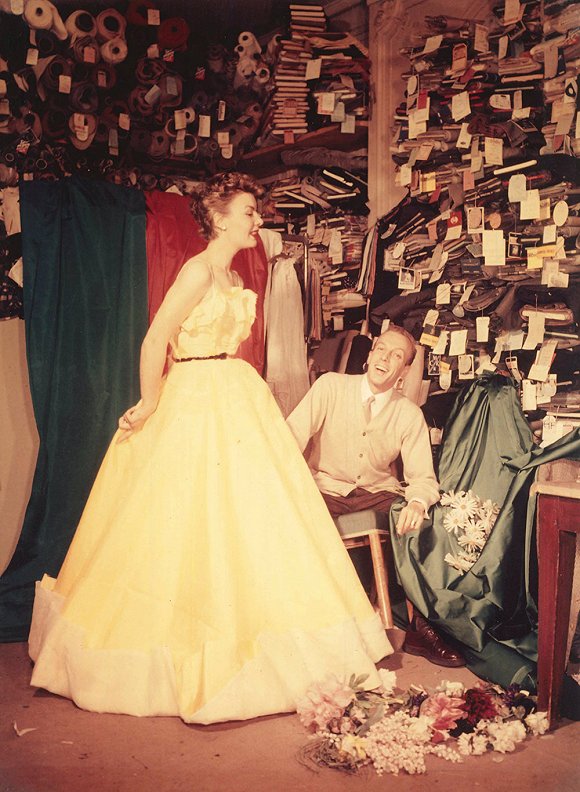
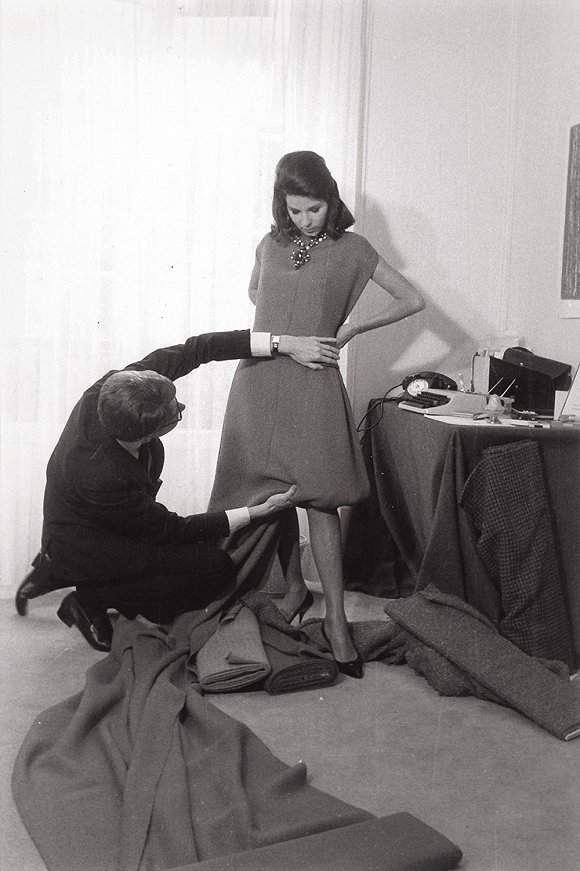
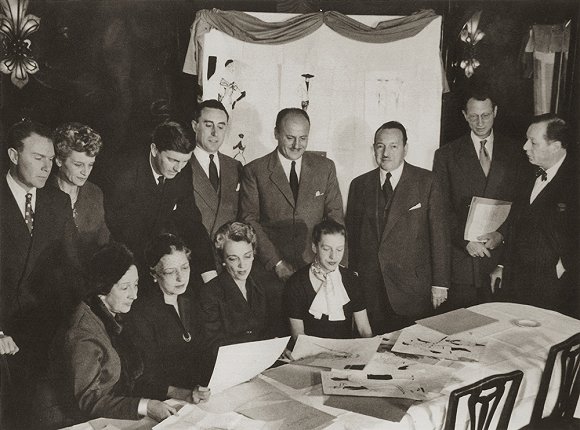
"These work photos are actually staged. Saint Laurent is not really cutting with scissors, and Gabrielle Chanel is not really putting pins on her clothes." The truth is a bit disillusioning, but that's what Serge Carreira said.
In fact, showing designers at work is a public relations tool. Decades ago, Givenchy and Chanel were still run by their founders. Every move of the designer was closely related to the brand's image, so the designer needed to show his hands-on work to the outside world. But nowadays, these brands are all managed by hired creative directors, and they are well-established and well-staffed. In the reality that the creative directors of many brands change every few years, it is not a smart public relations method to tightly tie the brands and designers together.
Until the 1980s, models in fashion photography were photographed in stiff and unnatural poses
We can first look at these two photos taken in the 1930s and 1950s respectively. You will find that although they are 20 years apart, the posture for taking the photos has hardly changed - standing in a T-step with one hand on the waist.
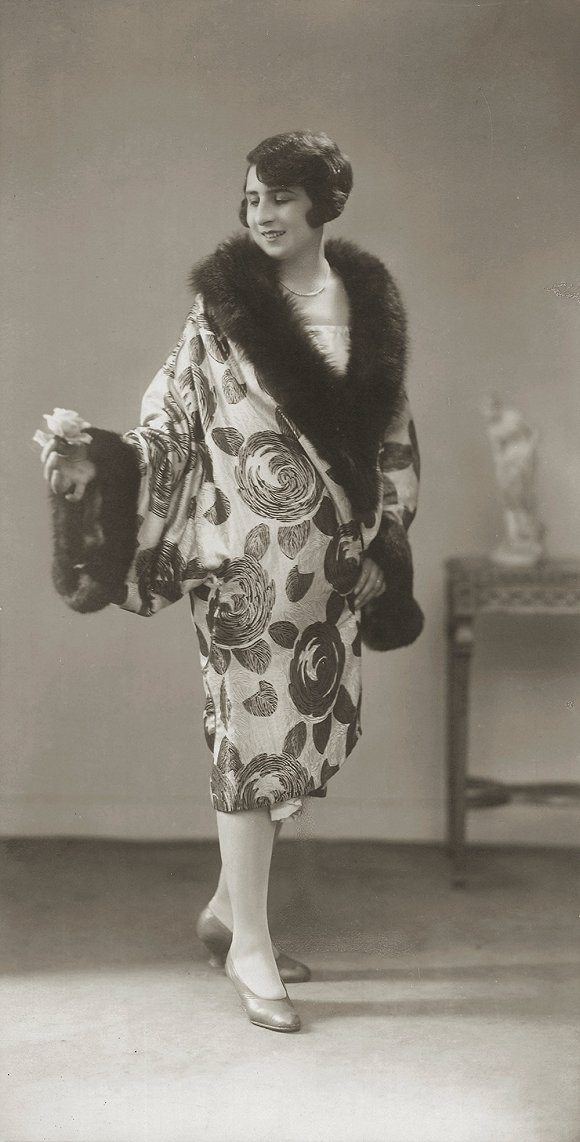
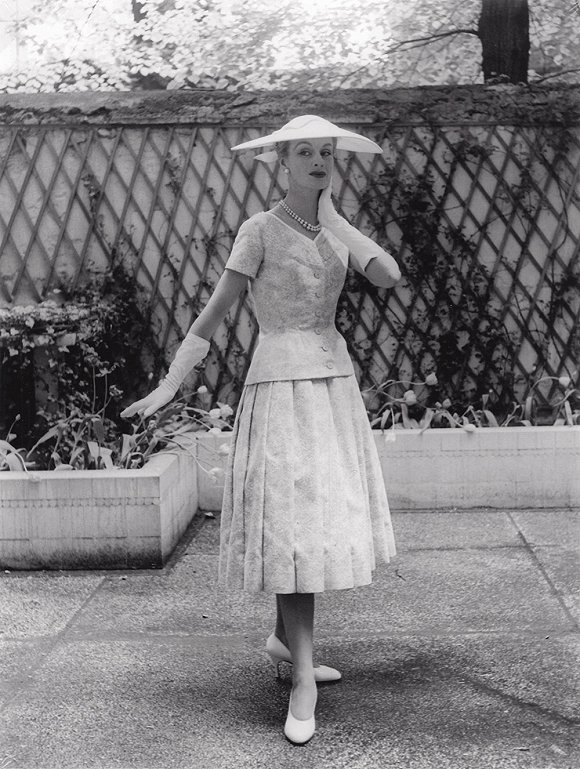
These postures are very unnatural. No one would stand like this, or cover their neck with one hand. However, in the early decades, fashion photography did not refer to ordinary people’s daily wearing scenes, but in aA more staged form appears.
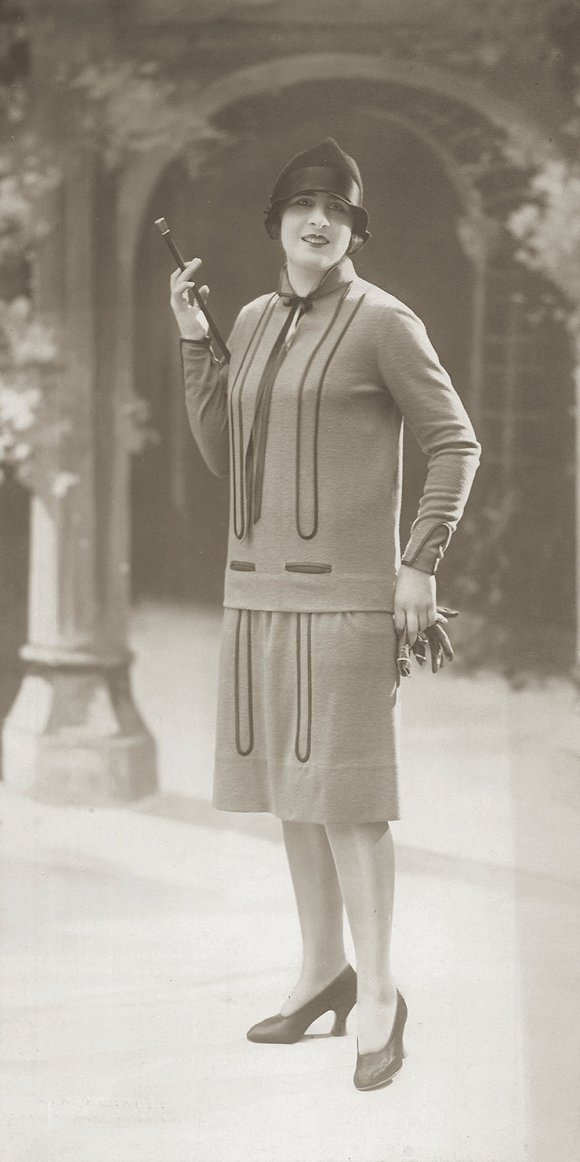
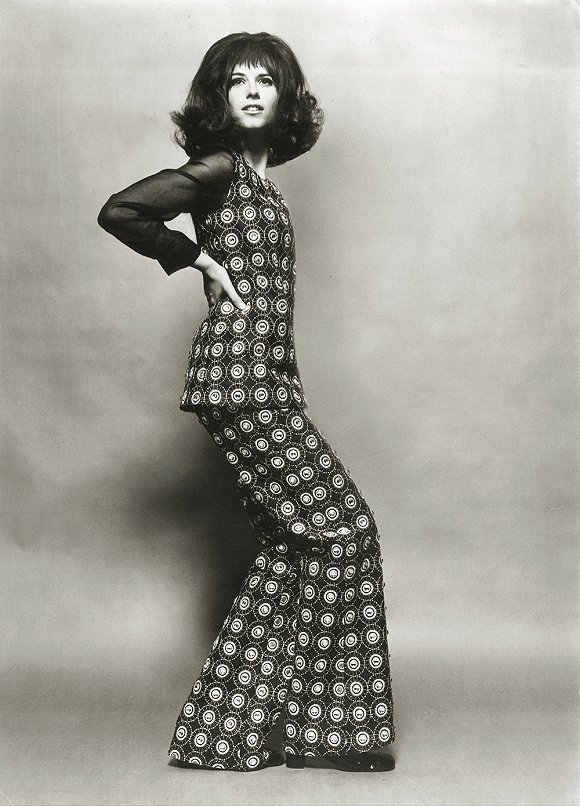
This situation gradually changed in the 1980s. The postures of models became more and more close to the movements of daily activities, the scenes became more life-like, and more and more outdoor shots began to be taken. All of this is directly related to the expansion of the fashion market, the shrinkage of cameras, and the evolution of photographic equipment.
Is street photography considered serious fashion photography? Is its importance growing?
Due to technical constraints, early fashion photography was mostly studio photography. But you have also seen that the most common thing that appears in front of us during fashion week is not the show photos, but the street photos. Recently, Michael Kors hired well-known street photographer Tommy Ton to shoot the latest advertising film, which actually provided enough answers.
“In the past, fashion was a top-down communication channel, but now different styles and different designers are a process of cross-influence. Fashion bloggers mix and match according to their own styles. In this way, street photography reflects more personal style and affects many people’s clothing choices.” Serge Carreira.
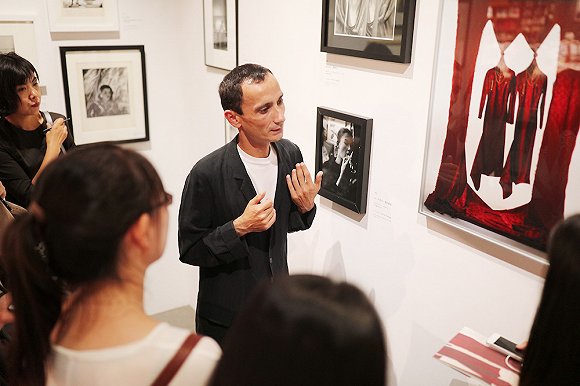
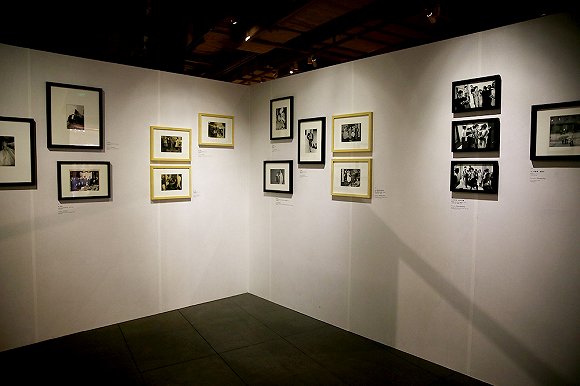
Technology has changed everything, but it cannot determine everything
The emergence of Photoshop has enriched the effects of fashion photography, and it no longer requires precision during shooting. Instead, post-production is more important. But Serge Carreira said technology also brings many limitations.
“No matter how far technology develops, photographers still need to rely on their acumen and talent to support them. Technology is good, but human creativity still cannot be ignored.” He said.