
When I recently went to Jingdezhen, Jiangxi, I might have a chance to see a group of workers building a house out of tiles. What they are building is the Jingdezhen Imperial Kiln Museum. However, saying they are building houses may not be that accurate. They are actually restoring the "kiln" scene of the Ming and Qing Dynasties.
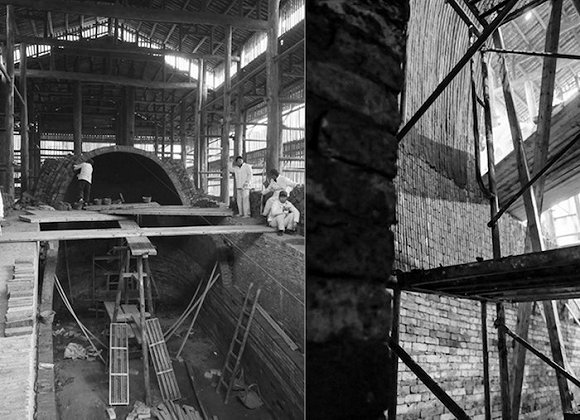
According to the architectural model and renderings, the architectural company Zhu Pei Studio divided the entire museum into two parts, above ground and underground. The above-ground part is the "kiln" made by workers stacking tiles layer by layer. From a distance, it looks like a chocolate roll. From a closer look, you can feel the simple and unsophisticated temperament of the "kiln" through the stacked antique tiles.
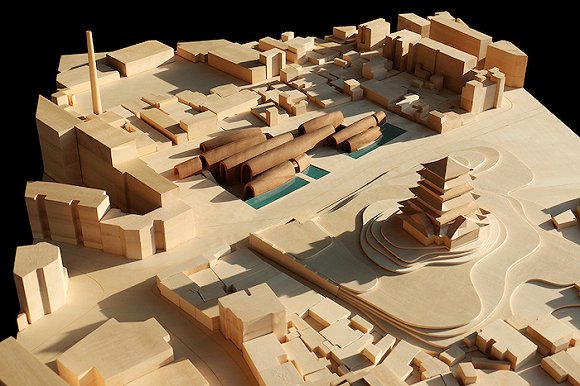
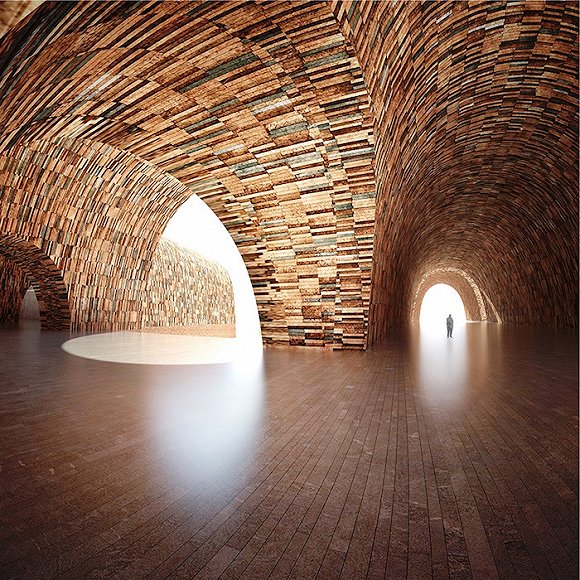
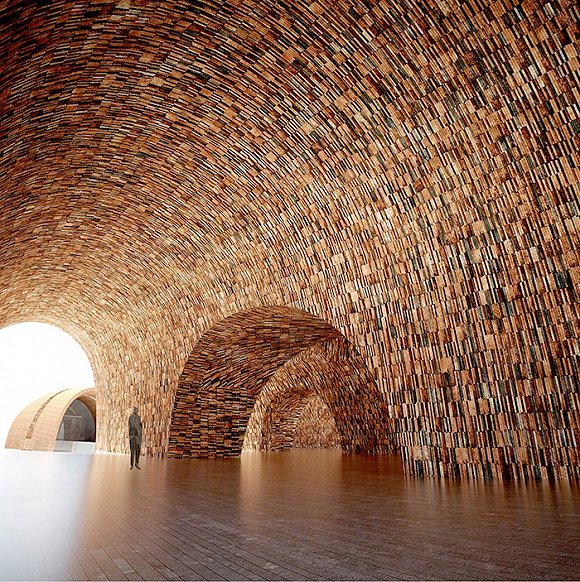
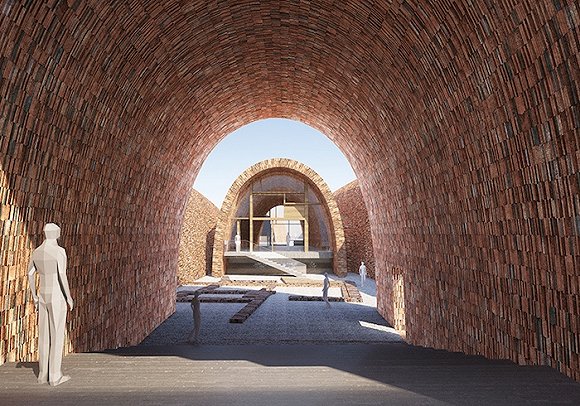
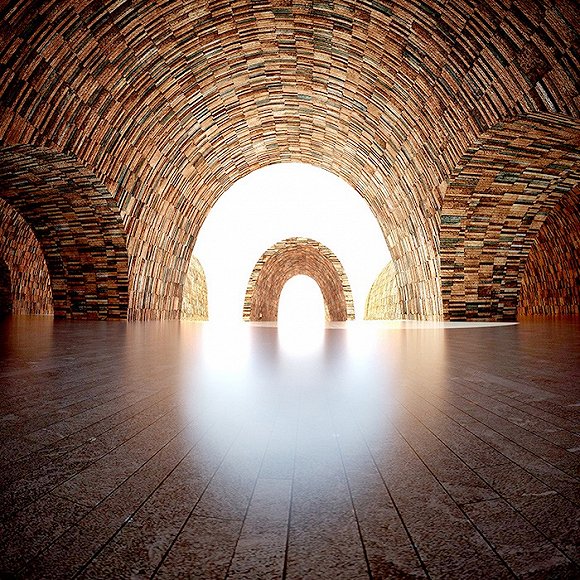
The underground part of the building is the main exhibition space, retaining the ruins of Jingdezhen imperial kilns from the Five Dynasties to modern times. The combination of the two, from the decorated kiln to the real kiln, from modern to ancient times, provides a new design idea for the site type museum.
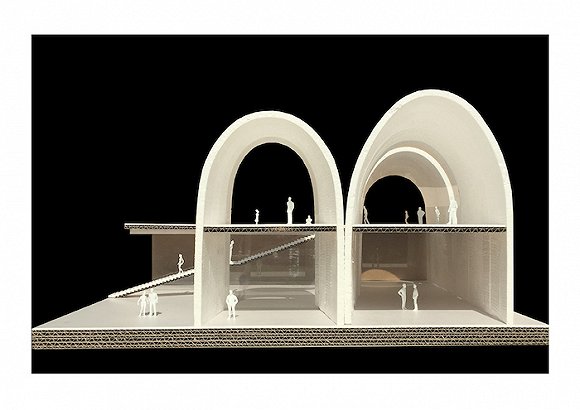
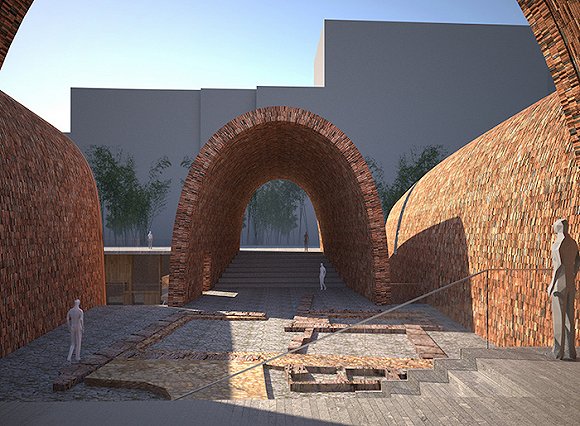
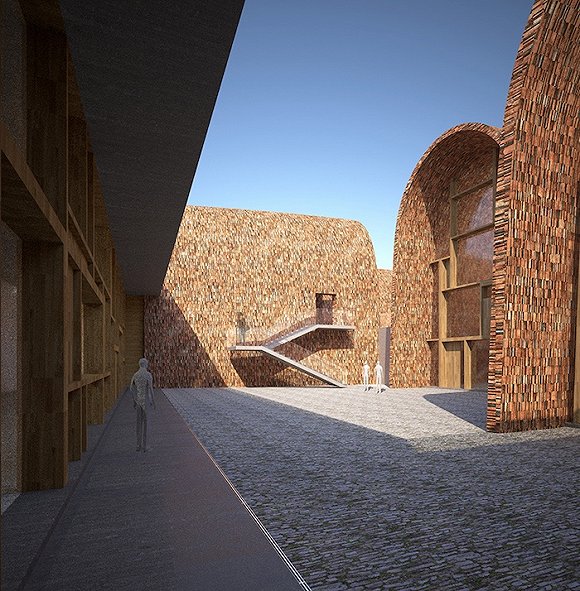
This design also provides convenience for tourists to visit and the preservation of museum relics. Tourists who love to take pictures can take as many photos as they want in the above-ground part. When entering the underground part, tourists can queue up and visit in an orderly manner. The spaces are interconnected, but each performs its own duties without affecting each other.
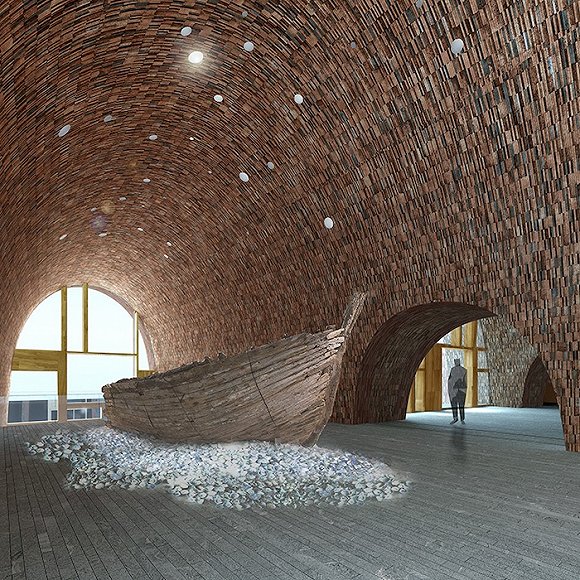
In addition, since Jingdezhen, as the capital of porcelain, is the starting point of the Maritime Silk Road, this museum also hopes to show the importance of porcelain to Jingdezhen, as well as Jingdezhen to China and the world. Therefore, in the "kiln", visitors can also see the wooden boat device loaded with porcelain.
Currently, the museum is under construction. According to plan, the main body of the building will be completed in 2017. By then, Jingdezhen will have a new landmark.