When it comes to American brands, most people will think of Calvin Klein, Tommy Hilfiger, Ralph Lauren, etc. In the past few decades, they have continued to expand their global footprint and formed a wide range of influence through the personal charm and outstanding business decisions of their founders.
In recent years, however, their charm seems to be slowly slipping away. Elizabeth Segran reviewed her experience on the Fastcompany website, "When I grew up and had my own money, I wanted to buy some designer bags and skirts to enrich my wardrobe, but found that today, these brands can no longer attract me. In my impression, they have become representatives of outlets. If you go to the discount store T.J. Maxx or Marshall, you will find Ralph Lauren and Tommy Hilfiger shirts piled in messy bins. In Macy's and JC Penny, Coach bags are hung on crowded shelves with discount tags."
Discounting and expanding product lines once expanded a brand's customer base, but such practices no longer apply today. In today's American fashion industry, subculture groups have become mainstream, and consumers are becoming small groups one by one. We have finally reached an era of embracing diversity.

Calvin Klein and Coach both understand more than before that it is time to get out of the stable period of relying on business strategies to win, and they have ushered in a stage where they pay more attention to product innovation. Ever since Raf Simons entered CK and Coach replaced its stores, creative directors, and reshaped its brand image, it has become very clear that a consumer group pays more attention to material quality and individuality, and does not blindly believe that high prices are luxury. Along with the big names stepping down, there is also the rise of a group of emerging small brands.
The younger generation is reshaping the American fashion market. Compared with big brands, small brands with smaller capital and weaker reputations have shouldered many responsibilities for educating emerging markets and self-innovation.
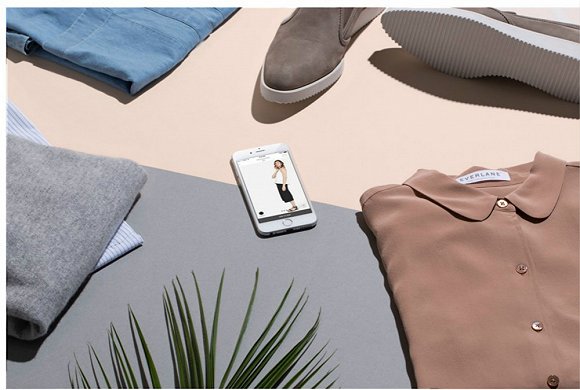
Everlane, a new brand founded in 2010, has proposed a new concept. We have also interviewed this company. Each of its products has detailed production costs, raw material prices, labor, import taxes and other matters. In the face of more rational consumers, it may be a good idea to learn to be honest with each other, so that the final pricing will directly show whether the transaction is reasonable. This is a way to become a consumer.
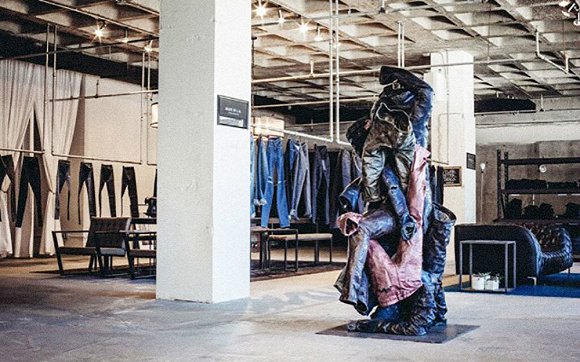
DSTLD, a denim brand founded two years ago in California, also entered the market with this idea. It wants to provide high-quality denim at a reasonable price. It also unveils the production process, explaining how the product is made in Los Angeles. In addition to the price tag, each piece of clothing will also have an icon next to the label that the designer brand may sell at a premium.
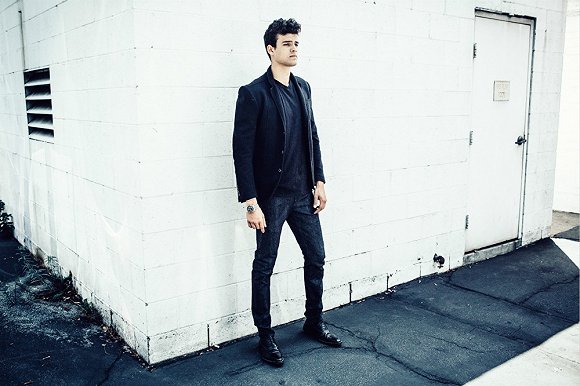
This all shows that new brands are taking a direct-to-consumer route. They are also paying more attention to providing better products at more suitable prices. This concept is the same as the traditional big brands that developed through marketing, global expansion and store opening in the past, which is conducive to entering the mass market.
Professor Charles Lawry of Pace University explained that one of the reasons why emerging brands follow the trend of the times is that they do not pursue something exaggerated. The concept of claiming to be from the upper class is no longer appropriate. "The concept of luxury goods is changing dramatically." Everlane, DSTLD and Cuyana do not sell their own brands on their products, so their world is separate from Ralph Lauren, and completely different from those polo shirts with polo symbols and CK jeans with large leather logos.

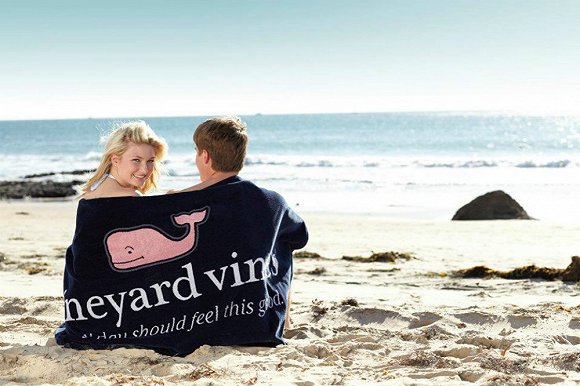
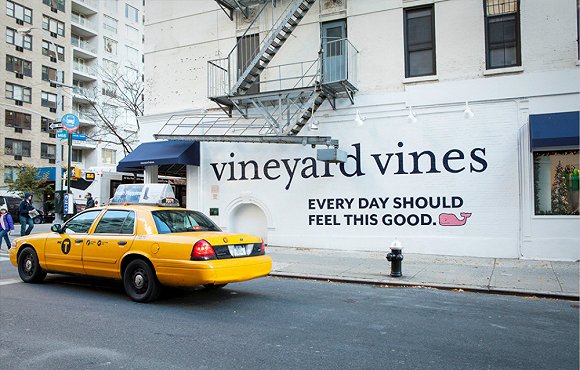
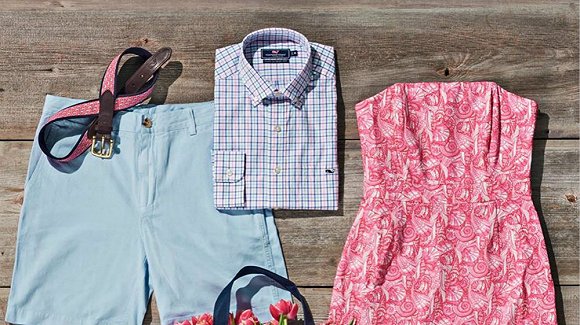
This unique feeling makes them very popular on social media, and they are also constantly encroaching on CK's traditional advertising market. Take Ralph Lauren for example. This brand with sports genes recently cooperated with the Olympic team competing in Brazil, tailor-made clothes for the athletes, and launched an international advertisement. But this approach is not new at all. Vineyard Vine, an American sports brand with a small whale as its logo, has always been an extension of this idea. Moreover, it takes a fresher route and looks much warmer and cuter than Ralph Lauren's polo, which is very suitable for family customers. This year, Vineyard Vine has opened 40 new stores in 100 countries. Its little whale logo has become a symbol of prairie parties and seaside activities. Goldman Sachs estimated the brand's value at $1 billion in May.
The founders of Vineyard Vine, the Murrays brothers, summarized the reasons for their success. They believe that the best way for small brands is not to be too aloof. Being close to real customers is more important than models. So in advertisements, the people you see are not hot girls with long legs and perky butts, but ordinary people, but they are still confident and sunny.
This is a completely different market strategy from traditional brands. Of course, if traditional brands are willing to change their attitudes, they will have the opportunity to return to people's lives, but it may be difficult to see the days of one-family monopoly in the past. New brands and passionate young designers are constantly emerging, incorporating cultures and fresh concepts from around the world into production and dressing. GQ said that their vision is to break the relationship with tradition. After several seasons of training, the remaining brands are worthy of attention and have enough reasons to convince the market.