
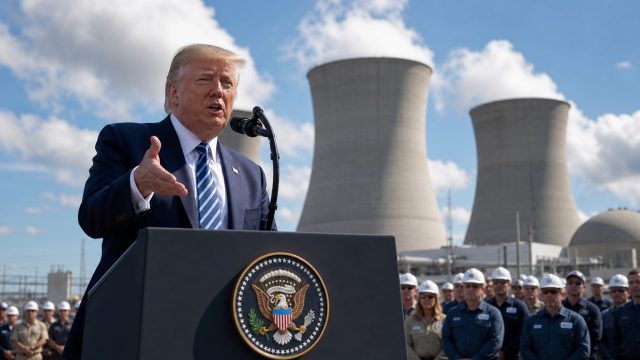
In a groundbreaking move that could reshape the landscape of energy production in the United States, the federal government has unveiled a staggering $17.5 billion initiative aimed at accelerating the construction of nuclear power facilities. This ambitious program is set to expedite the deployment of ten large-scale commercial nuclear reactors by as much as three years, addressing the growing need for clean and sustainable energy sources.
Why This Initiative Matters Now
The urgency behind this investment comes at a time when the United States is grappling with climate change, energy security, and economic stability. As the world shifts towards cleaner energy, nuclear power emerges as a reliable solution to meet the nation’s energy demands while reducing carbon emissions significantly.
With increasing concerns over fossil fuel dependency and the volatility of energy prices, this initiative could stabilize energy costs and ensure a consistent energy supply. The program is not merely a response to current energy demands but a proactive step towards a sustainable energy future.
Key Features of the $17.5B Nuclear Initiative
The federal program, backed by the Department of Energy (DOE), will provide loans to companies investing in the construction of nuclear reactors. Here are some of the program's key features:
- Financial Support: The allocation of $17.5 billion will be used to support the financing of reactor construction, making it easier for companies to invest in nuclear power.
- Accelerated Timelines: The initiative aims to reduce the construction timelines for large-scale reactors by up to three years, significantly speeding up the deployment process.
- Commercial Viability: The program encourages the involvement of private companies, ensuring that nuclear energy remains competitive in the energy market.
Partnership with Industry Leaders
A key player in this initiative is Westinghouse, a leading manufacturer of nuclear reactors, which has partnered with Cameco to bring innovative technology to the forefront of nuclear energy. Their collaboration aims to leverage cutting-edge advancements in nuclear technology, making the construction process more efficient and cost-effective.
Moreover, this partnership exemplifies the government’s commitment to working alongside industry leaders to transform the nuclear energy landscape. By harnessing the expertise of established companies, the initiative not only aims for speedy construction but also for enhanced safety and sustainability protocols.
Nuclear Power: A Solution to Climate Challenges
Nuclear energy is increasingly recognized as a crucial component in the fight against climate change. Unlike fossil fuels, nuclear power generates energy without emitting greenhouse gases. This makes it a vital asset in achieving national and global climate goals.
As countries around the world commit to reducing their carbon footprint, the US initiative signifies a major step towards a sustainable energy future. By investing in nuclear power, the government is opening the door for significant reductions in carbon emissions, contributing to a cleaner environment.
Public Support and Future Prospects
Public opinions on nuclear energy have evolved, especially as awareness of climate issues grows. Many communities are beginning to see the benefits of nuclear power, including job creation, economic growth, and energy independence. The establishment of new nuclear reactors can lead to thousands of jobs in construction and operations, revitalizing local economies.
Furthermore, with advancements in reactor technology, modern reactors are designed with enhanced safety features, addressing past concerns associated with nuclear energy. This focus on safety and innovation is essential for gaining public trust and support.
Conclusion
In conclusion, the US government's $17.5 billion nuclear initiative is poised to have a transformative impact on the nation's energy landscape. By accelerating the construction of nuclear reactors, the program addresses urgent energy demands while positioning the US as a leader in sustainable energy solutions. As we navigate the challenges of climate change and energy security, this initiative could pave the way for a cleaner, more reliable energy future for all Americans.