
The UAV Typhoon HRS was first unveiled at CES 2016 in the United States at the beginning of the year. It achieved autonomous and barrier-free flight in Intel's live demonstration, which was amazing for a while. After players have been thinking about it for half a year, Typhoon HRS has been officially released.
On August 19, 2016, domestic drone manufacturer YUNEEC Haoxiang held a media experience meeting in Beijing with its latest Typhoon HRS drone.
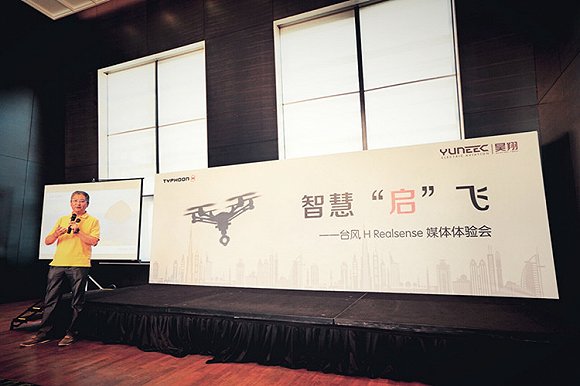
YUNEEC Haoxiang previously released the standard version, which only has an ultrasonic barrier system, and the domestic price is 8,888 yuan. The Typhoon HRS equipped with Intel RealsSense chip technology was officially released at the experience conference for 12,888 yuan, which is close to the price previously disclosed by netizens. It is said that this is the industry's first "intelligent drone" and it also realizes humanization in product interaction.
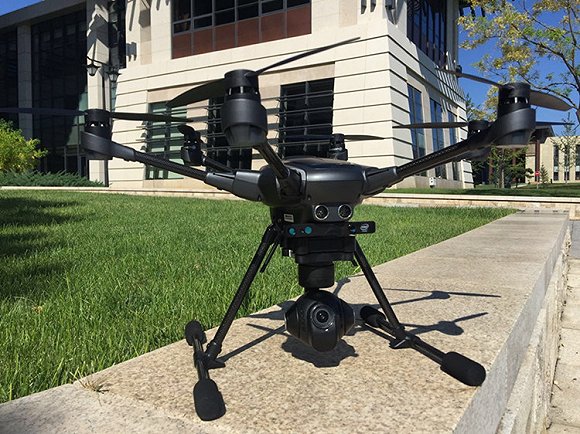
At the experience meeting, Jiemian reporters saw that the Haoxiang Typhoon H standard version is similar in appearance to the Typhoon HRS, which is a six-axis aircraft. During the test flight, the aircraft body felt stable and the power performance was strong.
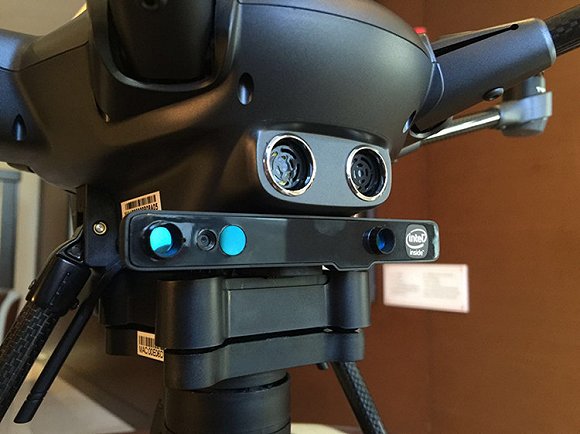
Looking at the scene, the Typhoon HRS gimbal can rotate 360 degrees for shooting. From this point of view, compared with products on the market that claim to rotate 360 degrees but can actually only shoot for 2 and a half weeks, it can be said to save time and effort during aerial photography in the later stage. It supports 4K video and 12-megapixel still photo shooting, and provides a built-in 7-inch touch screen Android system remote control.
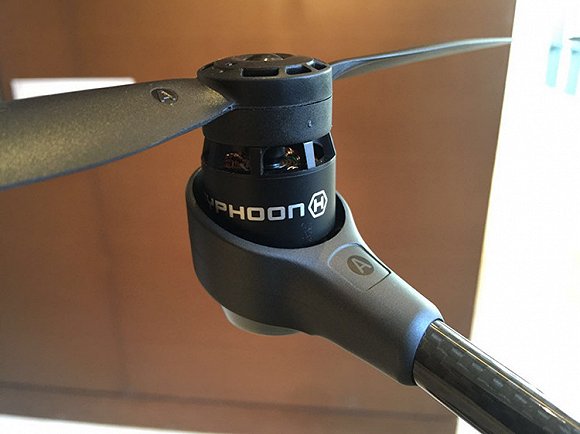
The landing gear is retractable, and the six rotor arms of the Typhoon HRS are all foldable and can be retracted or retracted by pressing a switch. The rotor arm is made of carbon fiber, which has certain improvements in reducing the weight of the fuselage and improving wear resistance. The carbon black design of the overall body adds a lot of color to the product.
The safety and stability of drones have always been a focus of drone consumers. According to Haoxiang, the Typhoon HRS drone displayed at the experience session is equipped with Intel's RealSense system, which can realize automatic tracking and intelligent obstacle avoidance in complex environments, greatly improving the safety and stability of flight. This is also a product that has been launched since September last year, when Intel Group invested US$60 million in Haoxiang's deployment in the field of drones.
In the afternoon of the same day, under the guidance of pilots, Jiemian reporters experienced the highlight of Typhoon HRS - the automatic obstacle avoidance function. Before flying, you need to turn on the matching ST16 ground base station switch first, and then turn on the front switch located on the top of the fuselage.
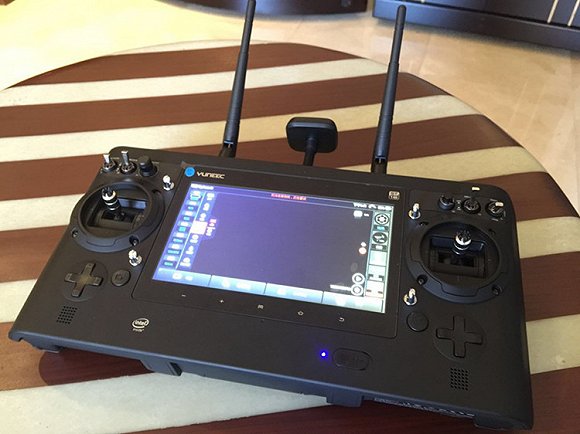
Judging from the performance of Typhoon HRS in the experience session, when the reporter was walking through the outdoor woods, the drone synchronized the screen display on the remote control to avoid obstacles in the existing environment during the following process. This further proved that after the obstacle avoidance function was turned on, Typhoon HRS determined the target object and successfully recognized and avoided trees during the following process.
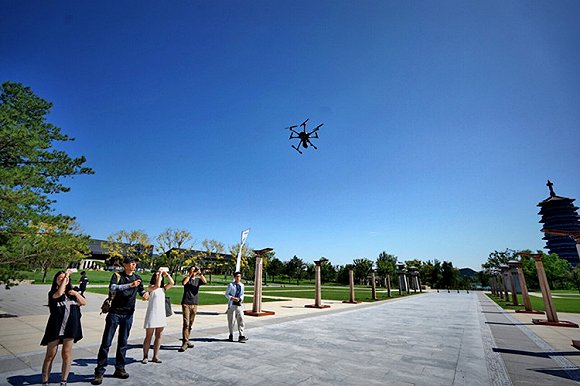
According to Haoxiang, Typhoon HRS’s ability to automatically identify and avoid obstacles and plan routes mainly depends on Typhoon HRS’s Intel RealSense chip. The chip uses Intel RealSense technology, which can integrate the information generated by 2 infrared cameras, 1 infrared transmitter and 1 RGB standard camera into an image processor the size of a fingernail, and further perform detailed modeling of the object surface to construct three-dimensional spatial information. Typhoon HRS uses the RealSense chip to identify obstacles of about 15 meters and calculate avoidance routes.
In addition, the Typhoon HRS drone has ultrasonic, visible light + structured light composite obstacle avoidance. The two round holes on the front of the Typhoon HRS drone's fuselage are ultrasonic sensors. The drone sends and receives ultrasonic waves to calculate the distance to obstacles based on the round-trip time of the sound waves.
According to the product manager of Haoxiang, through such multiple obstacle avoidance designs, the drone will establish a perception of the surrounding things during flight, and can judge the optimal flight path through analysis, realizing the artificial intelligence of the drone.
While experiencing the automatic return function of Typhoon HRS, Jiemian News reporters found that after the RealSense function key is turned on, in HOME mode, Typhoon HRS can automatically avoid tall vegetation, light poles and other obstacles when returning to achieve autonomous path planning.
Jiemen reporters learned that the Typhoon HRS drone, which is an experience product this time, is the first product to promote intelligent drones after YUNEEC and Intel teamed up.
On that day, under the strong light of the outdoor sun, Typhoon HRS's normal demonstration of autonomously avoiding tree branches also broke previous players' suspicion that Typhoon HRS's outdoor obstacle avoidance might be interfered by strong light.