
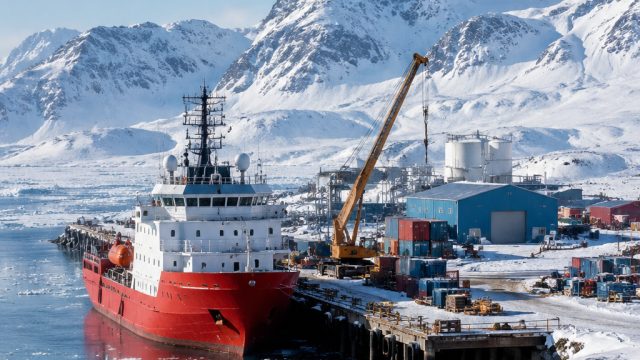
In a significant move aimed at enhancing economic opportunities in the North, the Canadian government is set to announce the designation of two essential Arctic infrastructure projects as national priorities. This announcement, anticipated to take place in Yellowknife, highlights Ottawa's commitment to fostering economic growth in some of the most remote regions of the country.
Key Projects on the Horizon
The projects in question are the Grays Bay road and port initiative in Nunavut and the Mackenzie Valley highway development in the Northwest Territories. Both projects are designed to improve access to critical resources and boost connectivity for local communities.
Grays Bay Road and Port Project
The Grays Bay project envisions a 230-kilometer all-season road, which would connect the Northwest Territories and Nunavut. By unlocking access to key mining opportunities, this project holds the potential to significantly impact the region's economy.
- Resource Access: This road will facilitate easier transport of critical minerals found in the North, attracting investment and employment.
- Environmental Considerations: Alongside economic advantages, the project will incorporate sustainable practices to minimize ecological impact.
Mackenzie Valley Highway Development
The Mackenzie Valley highway project aims to establish an all-season road stretching from Yellowknife to Inuvik. This route will greatly decrease travel times for residents and businesses while connecting communities that are currently only accessible by air or winter roads.
- Community Benefits: Enhanced access will foster trade and tourism, providing a substantial economic boost to local businesses.
- Job Creation: Construction and subsequent maintenance will generate numerous job opportunities for the local workforce.
Why This Matters Now
The announcement comes at a pivotal time as Canada seeks to strengthen its northern economies amidst global shifts in resource demand. The Arctic is rich in vital minerals, including lithium and cobalt, which are increasingly sought after for modern technology and renewable energy solutions.
Moreover, with climate change impacting traditional transportation routes, the establishment of these all-season roads presents an opportunity to adapt to new realities while supporting economic resilience in Northern communities. The federal government recognizes that investing in infrastructure is crucial to achieving sustainable development and boosting the productivity of these regions.
Future Implications
As these projects progress, they may serve as a blueprint for future infrastructure developments across the country. The federal government is expected to roll out more initiatives aimed at enhancing connectivity and fostering economic growth across Canada’s diverse landscapes.
Potential Challenges Ahead
- Funding and Resources: Ensuring adequate funding and resource allocation will be essential for the timely completion of these projects.
- Environmental Concerns: Balancing economic development with environmental sustainability remains a significant challenge that will require careful management.
Conclusion
As Canada gears up to announce these vital infrastructure projects, the commitment to improving Arctic access represents a proactive approach to economic development in the North. The Grays Bay and Mackenzie Valley projects not only aim to unlock the region’s potential but also reflect a broader strategy to connect communities, bolster job creation, and drive sustainable growth. The coming months will be critical as details emerge and the nation watches how these investments will transform the Arctic landscape.