
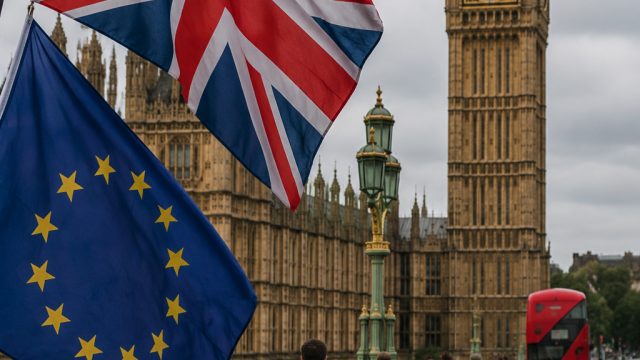
As we mark ten years since the United Kingdom's momentous decision to leave the European Union, the economic consequences of Brexit are becoming increasingly evident. From changes in trade dynamics to a transformation in business operations, the effects have rippled across various sectors. Understanding these developments is essential for businesses and consumers alike as they navigate a post-Brexit landscape.
The Shifting Economic Landscape
Brexit was heralded by proponents as a pathway to economic independence, yet many analysts now argue that it has led to significant challenges for the UK economy. According to recent reports, the UK has experienced a noticeable decline in growth, with various sectors feeling the squeeze of new trade barriers and regulatory changes.
Impact on Trade and Commerce
One of the most immediate effects of Brexit was the alteration of trade relationships. The implementation of new customs checks and tariffs has complicated the movement of goods between the UK and EU. Businesses that once enjoyed seamless access to European markets must now navigate a maze of regulations. Some key observations include:
- Increased exporting costs due to customs duties.
- Delays at borders leading to disrupted supply chains.
- Loss of preferential access for UK businesses in EU markets.
Sector-Specific Consequences
Different industries have faced varying degrees of impact from Brexit. Notably, the financial services sector has had to adapt swiftly to new regulations, while the manufacturing sector grapples with increased costs.
Financial Services: A New Reality
The financial sector has been particularly hard hit, as many firms have had to relocate operations to maintain access to EU markets. London, once a dominant financial hub, is experiencing a shift as firms migrate to cities within the EU, such as Frankfurt and Dublin. Key points to consider are:
- Loss of passporting rights for UK-based financial institutions.
- Increased competition from EU cities for financial business.
- Regulatory divergence leading to operational complexities.
Manufacturing: Navigating New Challenges
For manufacturers, the introduction of tariffs has made exporting goods to the EU more expensive. Companies are now weighing their options, with some considering relocating production facilities to the continent to mitigate costs.
- Investment in technology to streamline operations and reduce costs.
- Exploring alternative markets beyond the EU.
- Adjusting supply chains to maintain competitive pricing.
Consumer Impact: Prices and Choices
The ramifications of Brexit extend beyond businesses to consumers, who are now facing higher prices on various goods. The devaluation of the pound and increased import costs have contributed to inflationary pressures.
Rising Costs of Living
Consumers are feeling the pinch as prices rise across the board. Essential goods, especially food and household items, have seen significant price increases, leading many to rethink their spending habits. Key trends include:
- Grocery bills rising due to import tariffs and transportation costs.
- Increased interest in local sourcing as consumers seek to avoid imported goods.
- Shift towards budget-friendly brands as a response to rising prices.
Looking Ahead: The Future of the UK Economy
As the UK enters its second decade outside the EU, the path forward remains uncertain. Businesses are adapting to the new normal, and consumers are adjusting their expectations. Analysts suggest that the long-term economic effects of Brexit will depend on several factors, including:
- Future trade agreements with both EU and non-EU countries.
- Regulatory changes that could either facilitate or hinder business operations.
- Investment in innovation and technology to enhance productivity.
Conclusion
Brexit has undeniably transformed the economic landscape of the UK. While some businesses adapt and find new opportunities, others continue to struggle with the adverse effects of this historic decision. As we reflect on the past decade, it is crucial for stakeholders—policymakers, businesses, and consumers—to engage in ongoing dialogue about the future of the UK's economy. Navigating the challenges and seizing the opportunities will be key in shaping a prosperous post-Brexit Britain.